You’ve found the perfect firmness, the one the physiotherapist said would cradle your spine. But after the delivery crew leaves, you sit on the edge and realise your feet don’t quite touch the floor. Getting up requires a small, awkward push-off that makes your knees complain. That’s the height problem in action—a detail most forget until it’s too late.
In a typical 4-room BTO master bedroom, every centimetre counts. A standard Queen orthopaedic mattress often sits around 30 to 35 centimetres thick. Pair that with a common bed frame, and the total sleeping surface can easily reach 50 to 60 centimetres off the ground. For someone with arthritis or recovering from surgery, that’s not a bed—it’s a hurdle. The strain on the knees and lower back when lowering down or pushing up can undo the very support the mattress is meant to provide.
The real trick is to measure from the floor to the top of the mattress, not just the mattress thickness. You need to account for the frame’s base, any slats, and the mattress’s own settled height. For easier access, many find a total height between 45 and 50 centimetres far more manageable. This often means opting for a lower-profile platform frame or even a minimalist divan base. It’s a compromise, but a crucial one for long-term comfort and independence.
There’s one exception, of course. If you’re buying for a tall or very mobile person who prefers that lofty, hotel-bed feel, then the standard height is perfectly fine. But for the core audience here—those managing pain or limited mobility—prioritising that easy sit-to-stand transition is non-negotiable. The best spinal support in the world is useless if getting into bed becomes a daily ordeal. So, bring a tape measure to the showroom and test that final height by actually sitting on the assembled display set. Your future self will thank you for the forethought.
A mattress that sits over 24 inches from the floor might look grand, but it's a daily strain waiting to happen. That extra height demands a significant lift from your hips every single time you get in or out. For side sleepers, especially, the motion isn't just a step—it's a twist and a heave that loads the lumbar spine unevenly. Picture a typical HDB master bedroom, maybe 12 sqm, where you can't just walk straight around the bed. You're often manoeuvring in a tight space, bracing against a wall or a low bedside table. That awkward, compressed movement with a high surface multiplies the stress.
It's a physics problem you feel in your lower back. Your hips need to clear the mattress edge, which requires engaging core and thigh muscles many of us don't use as much after 40. If the mattress is firm—the orthopaedic kind recommended for support—it won't give you a soft landing. You're essentially doing a controlled, partial squat with a twist, several times a day. Over weeks and months, that repetitive micro-trauma adds up, aggravating existing conditions like arthritis or a recovering disc injury. The relief you bought the firm mattress for is undermined every morning and night.
The one exception? If you have severe mobility issues and use a bed rail or a transfer board, a higher surface can actually make those aids work better. But for the vast majority managing chronic pain without such equipment, a lower profile is far kinder. Aim for a height where you can sit on the edge with your feet flat on the floor and your knees at a right angle, then lie back or stand up with minimal upward thrust. That's usually well below that 24-inch mark.
Don't forget the base, either. A tall mattress on a deep storage divan or a high bed frame is a double whammy. Sometimes the solution isn't a thinner mattress, but a lower-profile platform. In a compact room, every centimetre between your hip and the floor counts. Get that wrong, and you're trading nighttime support for daytime strain—not a good deal at all.
Getting out of a low bed demands a deep knee bend and a strong push off the mattress edge. That motion strains the quadriceps and stresses already fragile joints. For someone with osteoporosis, that extra force on a weakened skeletal frame is a genuine risk. A mattress and base under eighteen inches total forces this awkward manoeuvre every single morning. It turns a simple routine into a daily physical challenge.
Arthritis makes joints stiff and painful, especially after a night's rest. The lower the sleeping surface, the greater the flexion needed to stand up. This isn't about gentle movement—it's a demanding lift against gravity. Knees and hips bear the brunt, and that strain can exacerbate morning pain. A higher profile reduces the angle, making the transition from lying to standing far smoother.
Many HDB bedrooms have limited room to manoeuvre beside the bed. A low profile often means there's no stable surface nearby to assist in rising. The instinct is to push off a bedside table or dresser, which can be hazardous if it's not anchored. In a tight four-room BTO layout, every piece needs to be functional and safe. A bed that forces reliance on other furniture creates a clutter problem and a safety one.
The act of rising requires a secure point of contact for the hands. A low bed denies that, leaving the individual to use their own leg strength exclusively. For elderly residents, that independent power can wane over time. A higher mattress edge provides a firm ledge to press against during the initial lift. This transforms the action from a pure leg drive to a supported, balanced manoeuvre.
This isn't an occasional inconvenience; it's a repeated peril. Each morning and each evening, the low bed presents the same difficult geometry. That repetition compounds the risk of a fall or a moment of debilitating pain. In a home environment, where safety is paramount, the bed should aid independence, not hinder it. Choosing a profile that mitigates this daily hazard is a straightforward but crucial decision.
That extra-firm construction isn’t just about lying flat—it’s about the right height to make getting up a stable, supported motion. Aim for a total surface height of 20 to 22 inches from your floor. This range gives you the leverage to push off without strain, a critical detail for anyone managing a sore back or recovering from surgery. Too low, and you’re fighting gravity to rise; too high, and your feet might not plant firmly, throwing off your balance.
The only time you might consider deviating is if the primary user has significant mobility limitations, perhaps using a transfer aid. In those cases, working with an occupational therapist to match the bed height to their specific equipment is wiser. But for the vast majority seeking structured support, that 20 to 22-inch zone is the one to measure for. It’s where the mattress’s therapeutic purpose meets the practical reality of your morning routine.
Consider the typical HDB bedroom floor. You’ll want a bed that puts your mattress top at that sweet spot, which often means factoring in your base or frame height. A common platform bed might be around 12 inches, leaving you to find an orthopaedic mattress roughly 8 to 10 inches thick to hit the target. Many of the firmer, high-density foam or hybrid constructions naturally fall within that thickness, but it pays to check the spec sheet.
Stomach sleepers, in particular, will appreciate this setup. The firm surface prevents that midsection sag that can tweak the spine, and the 20 to 22-inch height allows for easy repositioning without awkward twisting. It’s a detail that turns a static support surface into an active aid for daily mobility. For adult children helping ageing parents choose, this height is a safety feature—steady ingress and egress are just as important as spinal alignment during the night.
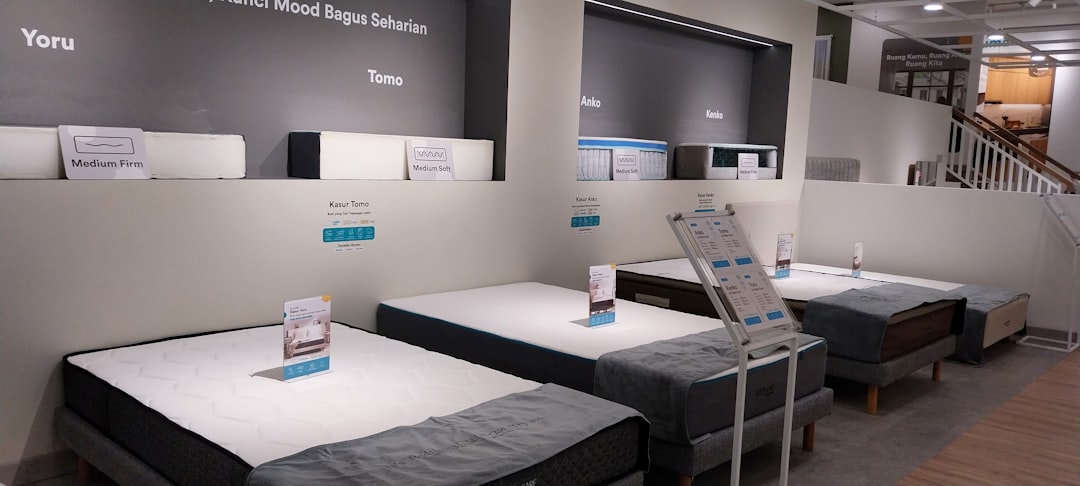
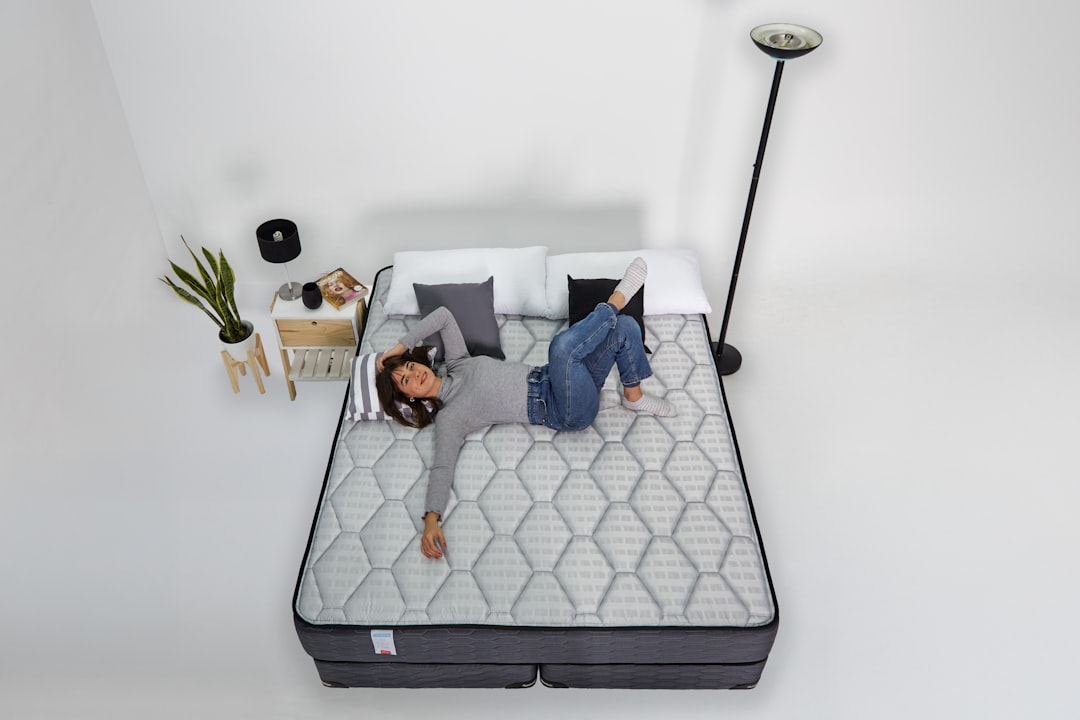
Walk into the showroom and ignore the sales talk for a minute. The real test for an orthopaedic mattress isn't about reading a spec sheet; it's about how your body meets the surface. You need to sit on the edge, plant your feet flat, and push yourself up. That's the daily motion for anyone with a stiff back or recovering from an injury, and if the mattress edge collapses under you, you're fighting it every morning. A proper firm edge should give you a solid platform to lever off, not a soft sinkhole that strains your wrists and knees.
Now lie down. Don't just perch—spend a full five minutes on your usual sleeping side. That initial firm feel can be deceptive; the true support comes from whether it keeps your spine in a neutral line after you settle. For stomach sleepers, that hip sink is critical—too much and your lower back arches, defeating the whole purpose. Roll over slowly and listen to your joints; a mattress that's genuinely engineered for alignment won't make you wrestle to change position.
Here's the part most people skip: simulate the final setup. If you're pairing it with a storage bed frame, you've got to account for that extra height. A Queen mattress on a low platform might be fine, but add a 30cm base with drawers and suddenly you're climbing into bed. For older adults or those with osteoporosis, that extra lift can be a genuine barrier. In the showroom, find a similar display, sit on the edge, and swing your legs. If your feet don't touch the floor comfortably, you'll need to consider a step or a lower frame option—it's a simple check that prevents a daily struggle.
The only time you might compromise on this physical test is if you're absolutely certain about the model and your room access is severely limited, like a tight fifth-floor walk-up where delivery of a bulky set is a major operation. Even then, you're gambling with your comfort. For everyone else, that half-hour of sitting, swinging, and lying in the showroom is non-negotiable. Your back will thank you for the next decade.
Spending more on the bed itself, then realising you need another thousand for the base to get in and out comfortably—that’s the classic HDB bedroom budgeting trap. You’ve already committed to a firm orthopaedic mattress for proper support, but if the overall height is wrong, you’re undermining its benefit every single time you get up. The solution isn’t always a complex motorised frame; sometimes, it’s a simpler, smarter allocation of funds.
For budgets sitting in the one to two-and-a-half thousand range, the most straightforward path is a divan base with built-in height control. These are essentially sturdy box platforms, often on castors, that add a crucial 20 to 30 centimetres. That lift alone can make a world of difference for someone with chronic back pain or stiff joints, transforming a struggle into a smooth sit-and-stand motion. It’s a no-fuss, value-first approach that gets the job done without eating into your mattress allowance. The only real catch is overhead clearance—if you’ve got a low platform bed frame already, a tall divan won’t fit underneath.
When your budget stretches further, that’s when you consider the true adjustable bed frame. These units tilt the head and sometimes the foot, a feature that becomes crucial not just for reading in bed, but for anyone who needs assistance sitting up. Think of ageing parents in a landed home, or even in a condo master bedroom with the space to accommodate the mechanism. It’s an investment in long-term ease, moving beyond simple height adjustment to active support. The motor and frame do represent a significant cost, so this move only makes sense if the core mattress purchase is already secured.
My take is this: unless you have a specific medical need for that tilting function, put your money into the best orthopaedic mattress you can afford and pair it with a simple, height-correct divan. The adjustable frame is a luxury upgrade for specific scenarios, not a universal must-have. Get the foundation right first—your back will thank you for the proper support, and your knees will thank you for the sensible height.

Best mattress height for elderly parent HDB? You’re looking at a range from the knee to mid-thigh. Too low and they’ll struggle to stand, too high and their feet won’t touch the floor safely. For a typical HDB bed frame, aim for a total sleeping surface around 50 to 60 centimetres from the floor—that includes the mattress and any base. It lets them pivot off the edge with their feet planted, which is steadier than trying to push up from a deep seat. A lower profile orthopaedic model on a slatted platform often hits that sweet spot.
Orthopaedic mattress too hard to get up from? It’s a real issue, especially with the extra-firm ones. The support is excellent for the back, but that lack of give means you can’t sink in and use the mattress to rock forward. The trick is in the base. Pair it with an adjustable bed frame that can raise the head section, or at least use a bed with a solid perimeter you can grip. That initial push-off point is everything. Without it, you’re just lying there on a very supportive, very stubborn plank.
How to lower mattress height without buying new? Swap the base, not the mattress. That bulky divan or storage bed with a tall box is usually the culprit. Move to a low-profile slatted platform frame, the kind that sits almost directly on the floor. You can sometimes gain over 15 centimetres just by ditching the deep foundation. If the bed frame itself is too tall, check if the legs are removable or can be shortened—a handyman can often saw them down for a small fee. It’s a far cheaper fix than replacing a perfectly good orthopaedic unit.
Mattress height for back pain side sleeper Singapore? Here, thickness matters more than overall height. A side sleeper’s shoulder and hip need to sink in enough for spinal alignment, which a very thin, firm mattress won’t allow. Look for an orthopaedic design with a comfort layer on top—a 25 to 30 centimetre total thickness is a good range. That way, the firm core supports, but the upper cushioning lets your joints settle without pressure points. The final height, after adding your base, should still let you get in and out without a climb.
You’ve spent an hour lying on various mattresses, comparing firmness and support layers, but the final check isn’t about the feel of the bed itself. It’s about how you’ll interact with it every morning and night in your actual bedroom. The right orthopaedic mattress can ease your back, but if the combined height of mattress and base is wrong, you’ll strain your knees and hips simply getting up or lying down. That’s where a simple, physical measurement cuts through all the marketing talk.
Take your popliteal height—the distance from the floor to the crease behind your knee when seated. This isn’t a general guess; it’s a personal number. For someone with chronic back pain or recovering from an injury, the ideal bed height should let your feet rest flat on the floor when you sit on the edge, with your thighs parallel. If the bed is too high, you’ll have to step down awkwardly, jarring your spine. Too low, and you’ll be fighting gravity to rise, putting pressure on already sore joints. In a typical Tampines or Bedok flat, where bedroom space is compact and every movement counts, this alignment becomes a daily practicality.
So, in the showroom, don’t just lie on the mattress on the floor. Ask to see it on the intended base—a storage bed frame, a simple platform, or whatever you’ve chosen. Sit on it. Feel where your knees bend. That final measure ensures the structured support you’ve selected works with your body’s mechanics, not against them. The exception? If you’re buying for an elderly parent with limited mobility, sometimes a slightly lower height aids stability when they use their hands to push up. But for most, matching that popliteal point is the non-negotiable step that turns a good mattress choice into a functional, pain-reducing reality in your home.