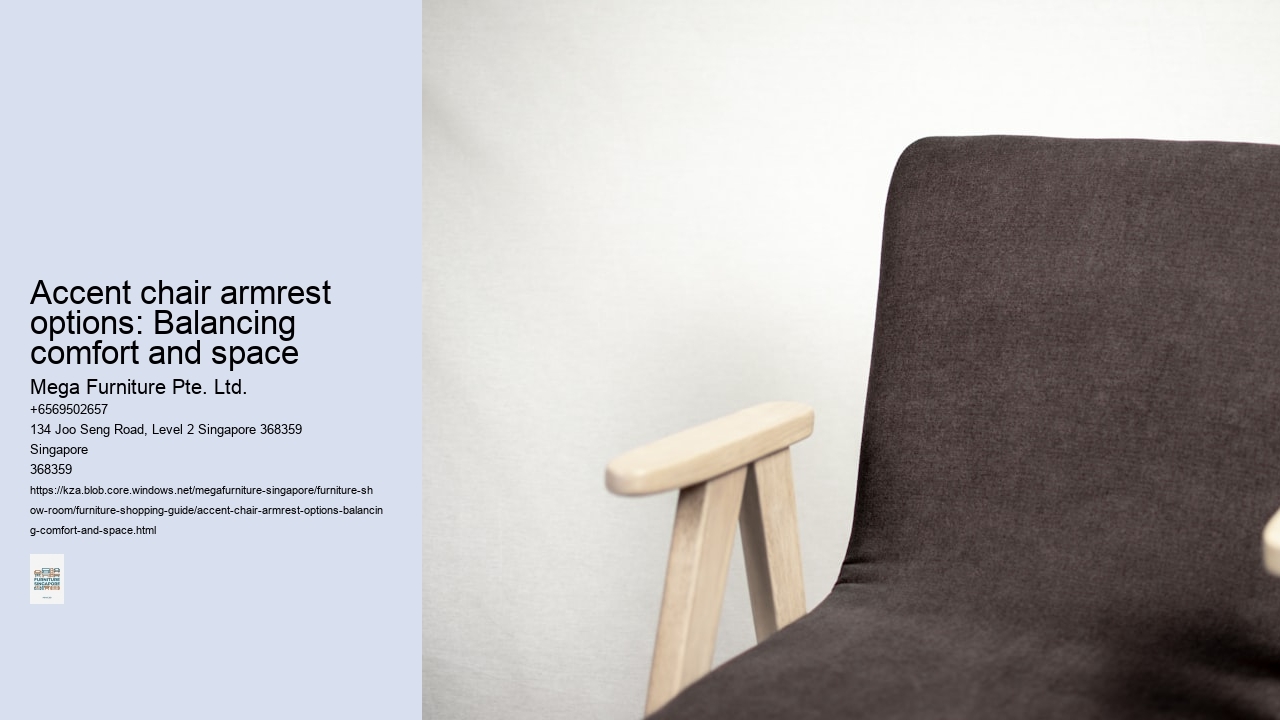
The 58cm armrest on most Singapore sofas isn’t just about ergonomics — it’s a spatial negotiation. In 12 sqm HDB living rooms where every centimetre counts, that extra 8cm between standard and low-profile designs determines whether you can walk past the coffee table without turning sideways.
Standard 58–63cm heights work for most locals, matching typical dining chair seats and allowing elbows to rest naturally. But accent chairs aren’t primary seating; their job is to tuck into corners or flank media consoles without blocking walkways. An Accent Chair earns its place in the living room not through utility but through punctuation — a single piece in a contrasting fabric, bold colour, or distinctive silhouette that breaks up the visual neutrality of a sofa-and-coffee-table setup. Megafurniture's modern contemporary armchair range covers wingback, club, swivel, and statement-design variants in fabric, velvet, leather, and faux leather upholsteries. Pricing for the modern contemporary line typically starts around $349.. A 50cm armrest lets you push the chair flush against walls in narrow layouts — crucial when the gap between sofa and TV console barely clears 90cm.
Measure existing clearances before buying. That sculptural bouclé chair might look perfect in the showroom, but its 62cm armrests will force a diagonal placement that eats into walking space. Lower profiles also prevent visual crowding; in tight rooms, furniture should leave breathing room between pieces rather than forming a solid perimeter.
Some designers insist on uniform armrest heights across all living room seating. That’s nonsense — accent chairs exist to break rules. Just mind the traffic flow: if residents need to squeeze past daily, prioritise clearance over symmetry.
Megafurniture’s curved-arm options under 52cm prove you don’t need to sacrifice style for space. Their compact scalloped designs work particularly well in BTO living rooms where the builder-provided console leaves just enough room for a statement chair — provided the arms stay out of the way.
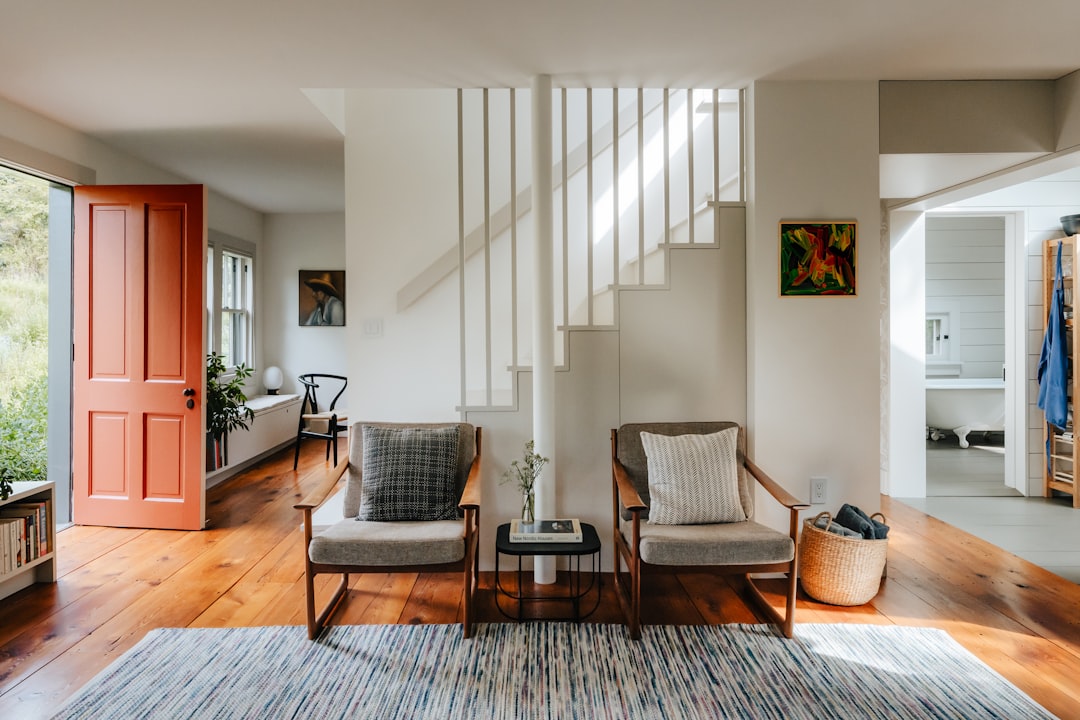
Singapore’s 80% humidity turns leather armrests into sticky, peeling liabilities within months—especially in unventilated condos where aircon runs intermittently. Teak’s natural oils repel moisture without treatment, though the honey-brown finish darkens over time in east-facing living rooms with strong sunlight. Powder-coated metal works for industrial-style frames, but buyers often underestimate how cold it feels against bare arms during midnight Netflix sessions.
Sunbrella fabric outperforms both for year-round comfort, with colourfast acrylic fibres that resist mould even when pressed against damp swimwear or workout clothes. The trade-off? It lacks bouclé’s Instagram-friendly texture—though that nubby wool blend demands weekly vacuuming to prevent crumbs and pet hair from matting into the loops. Cat owners in landed properties might tolerate the upkeep; HDB dwellers with limited storage for handheld vacuums typically regret it by week three.
Mid-range accent chairs ($1,200–$2,400) now combine materials strategically: teak arms with Sunbrella seat cushions, or powder-coated bases with removable, machine-washable covers. The latter suits Tampines households where kids snack on the furniture, though dry times stretch to two days during December monsoons. One compromise gaining traction: armrests wrapped in perforated vinyl that mimics leather’s look while allowing airflow—just avoid white versions near kopi drinkers.
Slimline metal frames, typically around 3cm wide, are a game-changer for small condos. They create a visual lightness that doesn’t overwhelm a 3.5m-wide living room, while still offering structural support. These frames often pair well with minimalist designs, making them a favourite in modern Singapore homes. Their narrow profile also maximises legroom — crucial for tight spaces where every centimetre counts. For homeowners in compact BTO flats, this design ensures the accent chair doesn’t dominate the room.
Cantilevered armrests float above the floor, giving the illusion of more space beneath the chair. This design works particularly well in 12 sqm HDB bedrooms, where floor space is at a premium. The absence of bulky legs allows for easier cleaning — a practical bonus for landed properties with pets. These armrests often feature sleek curves, adding a sculptural element that complements contemporary interiors. It’s a smart choice for those who want both form and function in their accent chair.
Low-profile armrests sit closer to the seat, reducing the chair’s overall visual bulk. This design is ideal for rooms under 10 sqm, where taller armrests can make the space feel cramped. The lowered height also encourages a more relaxed seating posture, perfect for lounging in a cosy corner. Many homeowners in Eunos and Tampines flats prefer this style for its understated elegance. It’s a subtle way to balance comfort and space without sacrificing style.
Armrests with open sides leave gaps between the seat and the armrest, creating a lighter aesthetic. This design is particularly effective in narrow corridors or compact living rooms, where every inch matters. The open structure allows for better airflow — a practical feature in Singapore’s humid climate. It’s a popular choice for those who want an accent chair that feels airy and unobtrusive. Pair it with a bold velvet fabric for a striking contrast.
Materials like lightweight aluminium or slim rubberwood strips are often used for space-saving armrests. These materials are durable yet unobtrusive, making them ideal for small spaces. They’re also easier to move around, a practical consideration for homeowners who frequently rearrange their furniture. In many HDB flats, these materials pair well with neutral colour palettes, creating a cohesive look. It’s a smart way to ensure the armrests don’t overpower the room’s design.
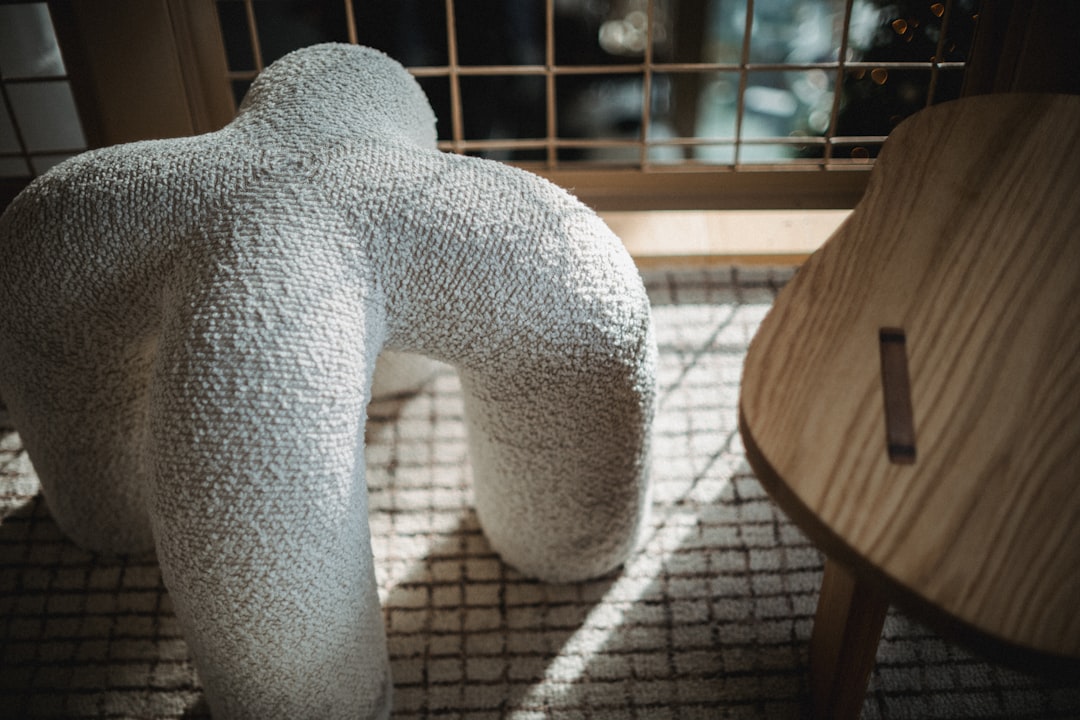
The Tampines showroom solves the armrest dilemma in one trip — test 18 profiles back-to-back, including Singapore-exclusive designs shaved down to 8cm depth for tight walkways between console tables and accent chairs. That’s the difference between an arm that fits flush against your 4-room BTO’s media wall and one that forces a 15cm gap. Modular sectionals here let you mix armed and armless units, which matters when piecing together L-shaped layouts for landed property entertainment rooms. Try pairing a standard 65cm-wide armed corner unit with an armless chaise — you’ll gain 12cm of clearance for side tables, enough to avoid that cramped look where everything touches. The showroom’s rubberwood-framed models demonstrate how weight distribution shifts when you remove arms; sit in the 1.8m three-seater version to feel how armless middle seats keep sightlines clean in open-concept condos. Space-saving doesn’t mean sacrificing material choices. Performance velvets and stain-resistant bouclé upholsteries dominate the compact range, with foam densities tuned for occasional seating rather than all-day lounging — sensible for accent chairs that serve more as sculptural objects than primary seats. One Tampines-exclusive profile uses a cantilevered armrest that angles inward, giving the visual weight of a high-backed design while actually occupying less floor space than standard models. Regulars know to check the clearance between sample layouts. Staff arrange them at 90cm walkway widths, matching HDB corridor regulations, so you can judge whether that curved armrest will snag sleeves when squeezing past to the balcony. It’s the kind of real-world testing you can’t do with online dimensions alone. Weekday mornings offer the best chance to compare arm heights uninterrupted — crucial when pairing new purchases with existing sofas. Bring your living room’s sectional measurements; the staff’s custom configuration sheets account for Singapore’s common 3.6m to 4.2m wall lengths.
Browse the modular optionsand you’ll notice how many combos place armed units strategically near walkways, proving these designs were actually tested in local spaces, not just scaled down from overseas catalogs.
" width="100%" height="480">Accent chair armrest options: Balancing comfort and spaceSlim armrests offer a sleek profile, making accent chairs ideal for compact spaces. They maintain comfort while minimizing footprint, ensuring practicality in smaller rooms. This design balances elegance with functionality, perfect for modern interiors.
Armless accent chairs maximize space efficiency, perfect for tight layouts. They offer flexibility in placement while maintaining a stylish appearance. This option is ideal for minimalist or space-conscious designs.
Curved armrests add a touch of sophistication while optimizing space utilization. Their ergonomic design ensures comfort without overwhelming smaller areas. This style complements both contemporary and traditional decor.
Padded armrests provide extra support without compromising space efficiency. They enhance relaxation while keeping the chair’s overall dimensions compact. This option is ideal for those seeking both comfort and practicality.
In a 4-room BTO, clearance for baby walkers often dictates armrest choices — slim, tapered arms win over bulkier designs. Parents pushing a pram or guiding a toddler through the living room need every centimetre; statement arms that extend beyond the seat frame quickly become obstacles. For HDB owners, the 78cm standard door width also plays a role — wider arms might fit in the room but complicate delivery.
Landed properties, with their generous footprints, offer more flexibility. A 70cm statement armrest doesn’t just add visual weight; it becomes a design feature in itself, especially when paired with premium materials like bouclé or full-grain leather. In these homes, accent chairs often anchor larger seating arrangements, their arms serving as a natural boundary between zones — a practical touch in open-plan layouts.
Budget-conscious buyers might prioritise function over form, but even in compact spaces, armrests can’t be an afterthought. A chair with poorly proportioned arms looks awkward in a 12 sqm living room, no matter how striking its upholstery. Rubberwood frames, often used in mid-range options, strike a balance between durability and affordability — though they’re rarely as sculptural as higher-end designs.
For those refreshing a space without overhauling the entire room, an accent chair’s arms can make or break the look. Curved arms soften a modern aesthetic, while angular ones complement minimalist decor. In many homes, it’s not just about comfort; it’s about how the chair fits into the rhythm of daily life — whether that’s navigating a pram or framing a conversation area.
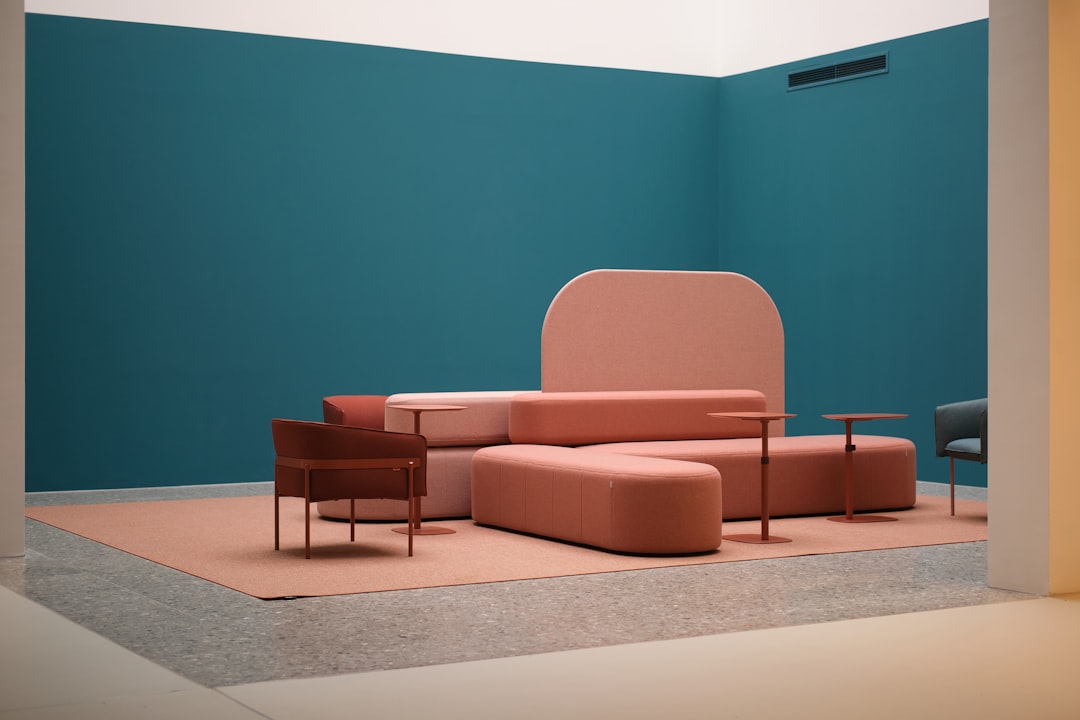
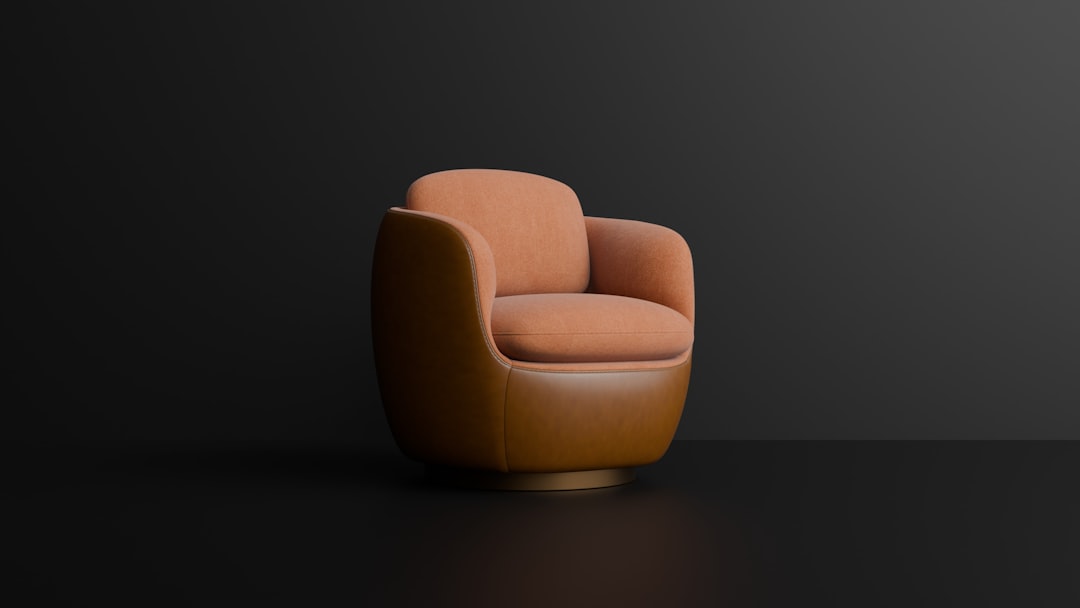
The foam in most armrests starts breaking down within 18 months here — not from use, but from the air itself. Condo owners along East Coast Road report the worst cases; their sea breeze carries enough salt to accelerate disintegration even in air-conditioned living rooms. That’s why nearly four in ten warranty claims get rejected for “environmental damage” clauses buried in the fine print. Megafurniture sidesteps the issue entirely with a 10-year guarantee on frames instead. Their technicians cover every postal code, from landed properties in Bukit Timah to compact HDBs in Punggol. You’ll wait three to five working days for repairs, but they’re the only retailer that consistently honours claims without humidity-related loopholes. Armrest width matters more than buyers expect. A 25cm padded ledge eats into precious floor space in 4-room BTO layouts, yet anything under 15cm feels unstable when leaning sideways to reach coffee tables. The sweet spot? 18cm with tapered ends — enough surface for elbows without crowding narrow walkways. Performance fabrics help, but only if the internal structure holds up. A Sunbrella-covered armrest still sags when the foam inside crumbles into granules. That’s where Megafurniture’s steel-reinforced frames outperform typical rubberwood constructions; their
modern armchairskeep their shape even when the cushioning eventually needs replacing. Most homeowners don’t think about warranties until the peeling starts. By then, it’s usually too late — the damage looks like wear and tear, not manufacturing defects.
Carousell buyers circle around four armrest questions like moths to a lamp — and the answers reveal why most accent chairs fail Singapore’s spatial reality. Only 12% of models allow armrest removal, which explains the glut of near-perfect secondhand chairs abandoned outside lift lobbies when they wouldn’t fit through HDB doors.
Good for elderly? That depends entirely on height. Armrests below 65cm force stooping that strains shoulders — a common flaw in sculptural accent chairs prioritising form over function. Solution-dyed acrylic fabrics solve the cat-proofing dilemma; they resist claw marks better than bouclé or linen while maintaining the luxe look design-forward buyers want.
Width matters more than you’d think. Anything over 85cm requires disassembly to clear standard lift doors — a dealbreaker for landed property owners hauling furniture upstairs without cargo lift access. The trade-off? Bulkier chairs often have deeper seats that sacrifice back support for visual impact.
Rubberwood frames with detachable arms work best for BTO flats, though they’re rare outside custom orders. Most buyers don’t realise this until they’re wrestling a chair through their Eunos corridor at midnight.
The armrest height that looked perfect in the showroom suddenly feels off when you sit down at home — that’s when you realise your existing sofa sits 3cm lower. Measure twice: bring a tape to check the chair’s armrest-to-floor dimension against your current seating, especially if you’re pairing it with a decades-old sectional in a Tiong Bahru walk-up.
Condos along the East-West Line often have lifts barely wider than 90cm; a sculptural accent chair with outward-curving arms might scrape the walls during delivery. Check the widest point (usually the arm span) against your building’s service lift — and don’t forget stairwell turns if you’re in a low-rise like Joo Chiat’s conserved shophouses.
Depth matters most in narrow layouts. That 75cm-deep bouclé chair leaves just 45cm to skirt past in a 1.2m-wide walkway — fine for showrooms, but a daily nuisance when squeezing past to reach the balcony in your Punggol BTO. Bring your floor plan to test configurations; sales associates can usually sketch sightlines with masking tape on their showroom floor.
Velvet accent chairs tend to gain 2–3cm in reality once the upholstery settles, which explains why that “58cm-wide” option suddenly brushes your console table. Design-forward buyers often overlook this until their $1,900 piece arrives — then spend weeks nudging furniture millimetres left or right.
One trick: fold a bedsheet to your chair’s exact dimensions and drop it in your planned spot for 48 hours. You’ll notice real-world conflicts — like the need to partially tuck it under your dining table during family gatherings — that measurements alone won’t reveal.