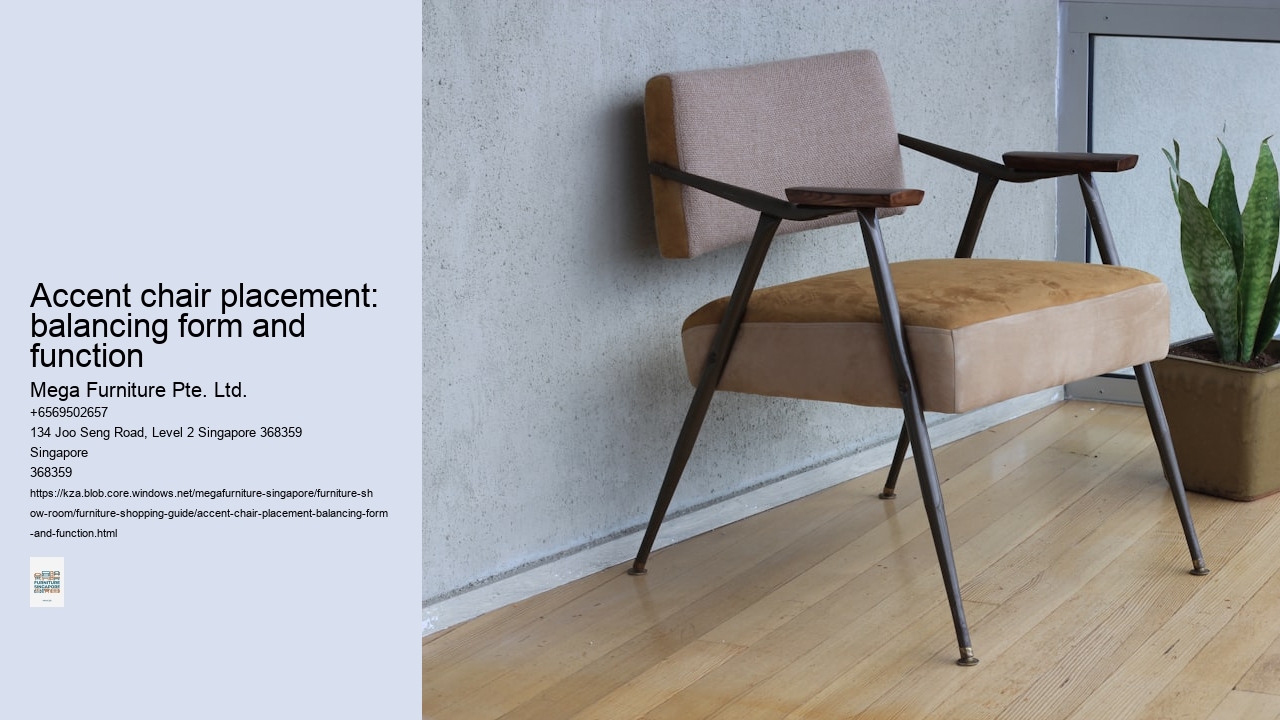
In a 12 sqm HDB master bedroom, an accent chair often ends up wedged between the wardrobe and the bed — a tight squeeze that demands careful measurement. A compact armchair with a slim silhouette, like a mid-century modern design, works best here; anything bulkier overwhelms the space. Opt for lighter fabrics such as linen or performance velvet to keep the room feeling airy, even when humidity creeps in.
For 30 sqm condo living rooms, placement becomes more flexible. A sculptural accent chair can anchor a corner near the balcony or flank a side table by the sofa. Clearance needs are less restrictive, but you’ll still want at least 60 cm of walking space around it. Bold materials like bouclé or full-grain leather add texture without clashing with the room’s larger pieces — a trick many interior designers swear by.
Landed properties, with their stairwells and alcoves, offer unique opportunities. A curved accent chair tucked under the staircase creates a cosy reading nook, but mind the ceiling height. Humidity-resistant materials like teak or powder-coated metal outperform in unventilated corners, where mould can be a persistent issue.
In many homes, the accent chair ends up as more of a decorative piece than functional seating — which is why aesthetics often trump comfort. That said, don’t sacrifice too much ergonomics; a chair that’s too stiff or awkwardly angled will just gather dust.
Budget-wise, expect to spend $1,200 to $2,400 for a well-crafted piece that balances form and function. While it’s tempting to splurge on a statement chair, consider how it’ll hold up in Singapore’s climate — especially if it’s destined for a humid corner.
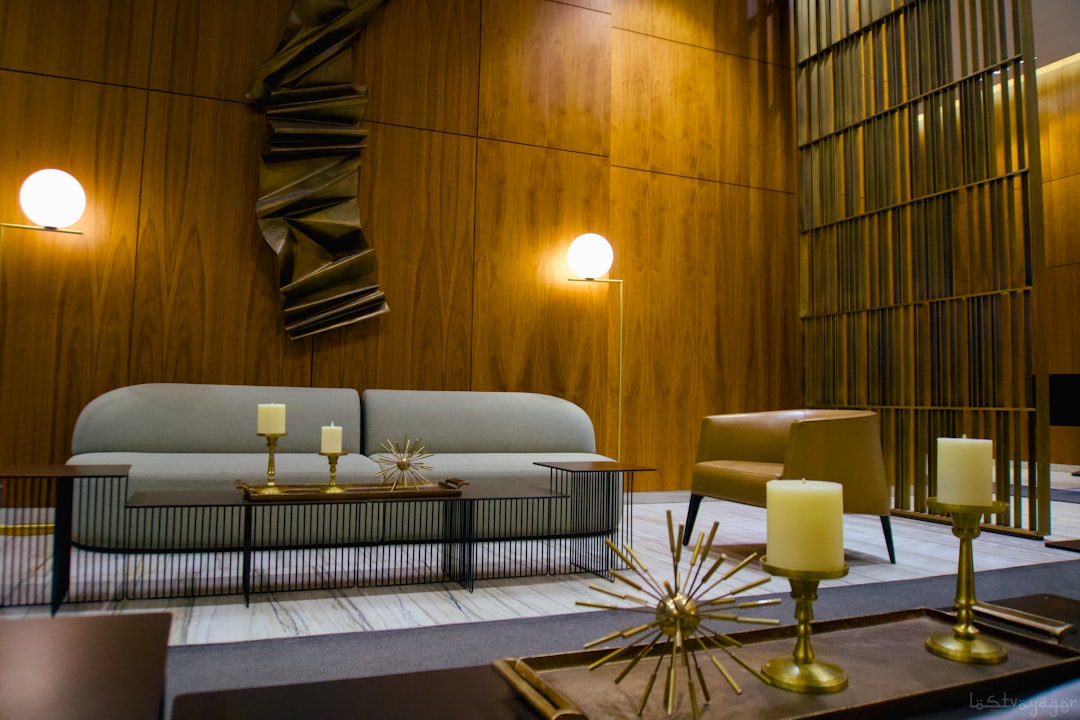
Bouclé’s textured weave doesn’t just add visual depth — it’s a practical choice for homes with pets. The fabric’s looped fibres disguise scratches, making it a favourite among cat owners in Tampines and Bedok flats. Performance velvet, meanwhile, holds up surprisingly well in Singapore’s humidity, resisting moisture absorption even in rooms with 85% humidity levels. It’s a reliable pick for landed properties near Eunos or Aljunied, where air conditioning isn’t always running.
Rattan, though stylish, frays quickly under direct sunlight — especially on east-facing balconies in neighbourhoods like Tanah Merah. The material’s natural fibres dry out and weaken, leaving it prone to cracking within months. If you’re set on the look, consider synthetic alternatives designed for outdoor use; they mimic rattan’s aesthetic without the maintenance headache.
In many homes, accent chairs sit unused for weeks, only to become impromptu seating during gatherings. That’s where durability matters most — materials like bouclé and performance velvet handle occasional use without showing wear. Avoid delicate fabrics like silk or linen blends; they’re prone to fading and staining in Singapore’s climate. For a 4-room BTO living room, practicality often wins over pure aesthetics.
Velvet’s plush texture adds a luxurious feel, but it’s the fabric’s performance-grade treatment that makes it suitable for tropical conditions. Bouclé, on the other hand, offers a softer, more tactile experience — perfect for balancing sleek, modern interiors. Both materials strike a balance between form and function, ensuring your accent chair remains a statement piece rather than a maintenance burden.
Many buyers overlook door frame measurements when ordering sculptural accent chairs — a costly oversight in Singapore's compact homes. A curved or oversized chair might look stunning in showrooms but struggle to fit through standard 90cm HDB doorways. In landed properties with wider entrances, narrow stairwells often pose similar challenges. Always measure both entry points and potential pathways before committing to a statement piece. Common fixes like disassembling or hoisting through windows add unnecessary hassle and expense.
Instagram-trending white linen chairs might photograph beautifully but prove impractical for households with toddlers or pets. Performance fabrics like Crypton or Sunbrella offer better stain resistance in family-friendly living rooms. While velvet remains popular for its luxe appeal, it's prone to showing wear in high-traffic areas. Consider darker tones or textured weaves for better durability. The chair's fabric should complement both aesthetics and daily life.
In Singapore's 4-room BTO living rooms, oversized accent chairs can overwhelm the space. A chair scaled to around 80cm width typically balances visual impact with functionality. For landed properties with larger rooms, taller backrests or deeper seats might work better. Always consider the chair's footprint relative to existing furniture and walking paths. Proper proportion ensures the piece enhances rather than dominates the room.
Accent chairs with metal legs often scratch polished marble or engineered wood floors common in Singapore homes. Felt pads or rubber caps can prevent damage, but their thickness alters the chair's height. For landed properties with timber floors, consider chairs with wider bases to distribute weight evenly. Floor protection becomes crucial when repositioning furniture for cleaning or gatherings.
In many HDB flats with limited natural light, darker accent chairs can make rooms feel smaller. Lighter tones or reflective materials help brighten compact spaces. For landed properties with ample windows, consider how sunlight affects fabric fading over time. Position the chair to catch evening light for maximum visual impact. Lighting transforms how the chair's design features interact with the room.
A curved accent chair looks stunning in showroom lighting — until you realise it blocks half the walkway in your 4m x 5m condo living room. That’s where seeing pieces staged in actual room dimensions helps; the Tampines showroom’s 1:1 mock-ups demonstrate how sculptural designs can work without crowding narrow spaces between sofas and media consoles. Material choices reveal themselves differently under showroom conditions too. Testing a bouclé chair’s stability on Joo Seng’s marble flooring versus parquet tells you more than any product description — whether those tapered legs will skid on polished surfaces or grip textured ones. Buyers often overlook how floor type affects chair placement until they’ve shoved one across their own living room. For statement pieces, scale matters as much as design. Velvet accent chairs photographed alone can trick the eye; seeing them beside standard 90cm sofas puts proportions in perspective. Some buyers walk in wanting bold colours but leave with muted tones after realising electric blue dominates their wood-and-stone colour scheme. The showrooms also expose quirks the brochures skip. A scalloped backrest might look Instagram-ready until you notice it snags sleeves when brushing past. Or that sheepskin seat gets uncomfortably warm after 20 minutes — fine for occasional use, less so if you’re imagining daily reading sessions. Neighbourhood demographics shape the displays too. Joo Seng’s setups cater to landed property layouts with wider walkways, while Tampines mirrors common condo constraints. It’s one thing to admire a chair online, another to navigate around it in
a space your helper needs to vacuum twice a week.
The delivery crew will curse under their breath when they see your HDB lift landing—most measure just 1.2m by 1.4m, forcing disassembly of anything wider than a standard armchair. That sculptural accent chair with the curved back? It’s coming through the service lift in three pieces, wrapped in more plastic than a Tampines wet market fish stall.
Coastal properties add another wrinkle. Warranty clauses often exclude salt air damage to metal frames or woven materials—check if your East Coast condo falls under "marine zone" terms before committing to that brushed brass leg detail. Delivery teams typically charge $80–$120 extra for high-floor walk-ups when lifts are undergoing maintenance (which, in older estates like Bedok or Queenstown, feels like half the year).
Container trucks need 3.5m clearance—problematic for landed homes with low-hanging frangipani branches or condos like those near Eunos MRT where basement parking has 2.8m height limits. Smart buyers WhatsApp a photo of their parking bay’s restriction sign to the retailer before confirming delivery dates.
Assembly realities favour simpler designs: a four-legged accent chair goes together in minutes, while anything with cantilevered bases or swivel mechanisms might leave you hunting for an Allen key at midnight. That’s when you’ll notice the "some assembly required" disclaimer covered by the price tag’s fold.
Mid-century reproductions are the worst offenders—their tapered legs often ship detached, and getting the angle right without scratching the walnut veneer takes more patience than most DIYers have after a workday. Better to pay the $60–$90 for professional assembly if the chair costs over $800; that bouclé upholstery won’t forgive clumsy wrench slips.
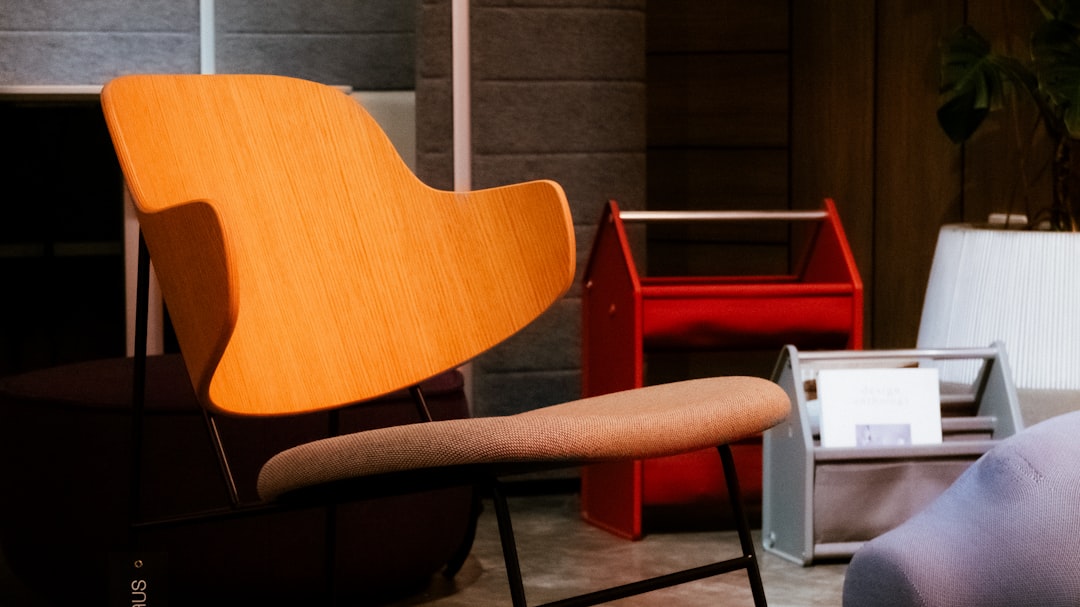
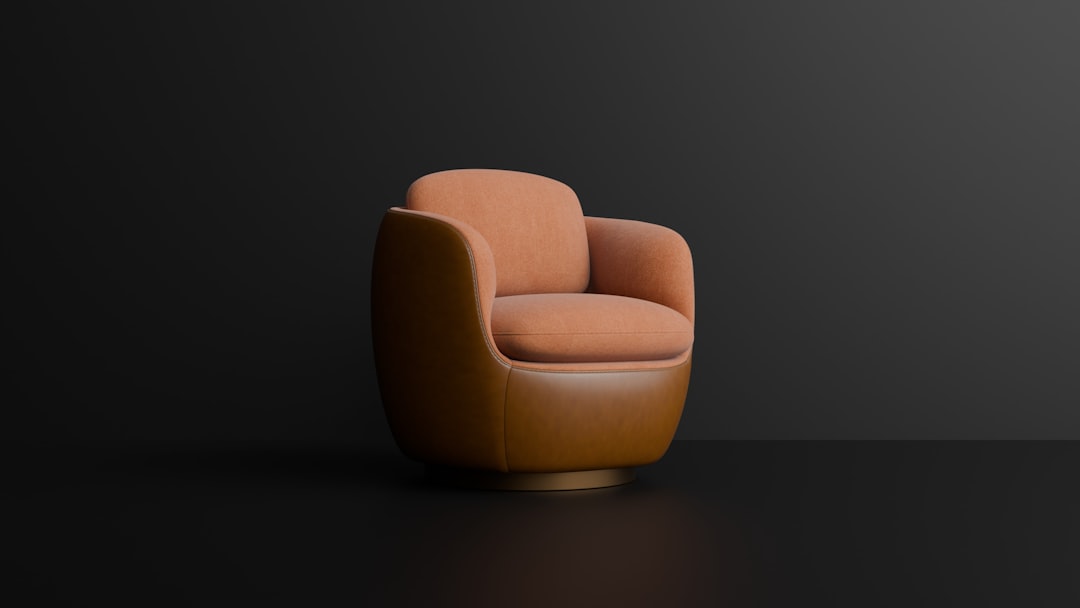
Singaporeans searching for accent chairs keep hitting the same practical roadblocks — how to make them work in tight spaces, avoid floor scratches, and dodge material missteps. The questions reveal a city trying to balance bold design with HDB realities.
Can an accent chair fit beside a queen bed in a BTO? Only in master bedrooms over 14 sqm, and even then, you’ll need a slim profile under 75cm wide. Try curved-back designs that tuck into corners, or armless styles that don’t visually bulk up the space. Most BTO layouts leave just 60cm clearance after bedside tables — enough for a perch, not a lounger.
Best non-slip feet for polished tiles? Silicone caps grip better than felt pads, especially on glossy porcelain. Look for chairs with recessed legs — the weight distribution matters more than the material. A common fix: stick clear rubber cabinet bumpers ($2.50 at Daiso) under existing metal glides.
How to spot bonded leather vs full grain? Check the edges — bonded leather has perfectly uniform seams, while full grain shows natural imperfections. Run your fingernail across the surface; bonded leather won’t crease like real hide. Humidity damage claims hinge on warranty small print; most exclude “environmental factors” unless you’ve got proof of manufacturing defects.
The real test comes after delivery. That sculptural velvet chair might look perfect in the showroom, but in a 4-room BTO, it’s suddenly shouting over everything else.
That last-minute tape measure check often gets skipped—right before the delivery team arrives with an accent chair that won’t fit past the shoe cabinet. HDB corridor clearances are tighter than most buyers realise; even sculptural chairs under 80cm wide can block the 60cm minimum walkway if placed diagonally near the door. Measure from the wall to where the chair’s widest point will extend, accounting for curved arms or reclined angles that eat into passage space.
Electrical outlets matter more than you’d think for accent chairs. Many landed property living rooms position these seats as reading nooks, only to find the nearest socket hidden behind a side table or plant stand. In condos with fixed lighting, verify the lamp cord can reach without creating a tripping hazard across high-traffic areas—especially with sheepskin or bouclé fabrics that bunch around floor-level wiring.
Corner placements often seem safe until you account for ceiling fans. A 1.8m wingback chair might clear the wall but collide with a fan blade in older HDBs where mounting heights vary. Builders’ drawings rarely include these details; eyeball the clearance with a broomstick held horizontally at the chair’s tallest point.
For curved designs like scalloped or egg-shaped chairs, the footprint isn’t always circular. Check product specs for depth at the widest arc—what looks like a compact 70cm front profile might flare to 95cm at the back, fouling up walkways in narrow 4-room BTO layouts. Some sellers list overall dimensions but omit the critical swing radius.
Velvet and leather chairs need breathing room from direct sunlight anyway—use the measuring tape to confirm at least 30cm between the chair and west-facing windows in Ang Mo Kio or Bedok flats. That’s usually enough to prevent colour fading while keeping the piece visually centred.
" width="100%" height="480">Accent chair placement: balancing form and functionIncorporate accent chairs into layered seating arrangements for a dynamic look. Pair them with rugs, throws, or cushions to enhance texture and depth. This method ensures the chairs blend seamlessly with the room’s decor.
Use accent chairs in compact areas to maximize space without overwhelming the room. Opt for slim, streamlined designs and place them in corners or near walls. This approach maintains functionality while adding a stylish touch.
Place accent chairs in prominent spots to highlight their unique design or color. Use them to anchor a room’s theme or add a pop of personality. This placement ensures they stand out while contributing to the overall aesthetic.
Position accent chairs near focal points like fireplaces or windows to enhance both aesthetics and functionality. Ensure they complement the room’s flow without obstructing pathways. Balance visual appeal with practicality by pairing chairs with side tables or lamps.
Arrange accent chairs to foster interaction by placing them opposite sofas or other seating. Keep a comfortable distance—about 4–6 feet—to encourage easy conversation. This setup ensures the chairs serve both decorative and social purposes.