In a 12 sqm HDB living room, even a 75cm-deep armchair can feel like it’s encroaching on precious floor space — especially if it’s paired with a coffee table and a sofa. Condo layouts, typically offering around 20 sqm for the same function, allow for more generous proportions; here, a 95cm-deep statement chair can anchor the room without overwhelming it. The difference isn’t just about square footage — it’s how that space is organised, with HDBs often requiring tighter furniture arrangements to accommodate built-in storage or multi-purpose zones.
Walkway clearance is another critical factor in Singapore’s compact homes. In HDBs, leaving at least 60cm for passage between furniture pieces ensures usability without constant shuffling. Condos, with their wider layouts, can afford 80cm or more, creating a more open flow. It’s worth noting that accent chairs with slimmer arm profiles or tapered legs can visually lighten their footprint, making them a smarter choice for tighter spaces.
Material choices also play a role in how a chair fits the room. Performance velvet or bouclé upholstery adds texture without bulk, while sculptural designs in lighter finishes can make a chair feel less imposing. In many HDB flats, opting for a chair with a lower backrest — around 80cm instead of 90cm — ensures it doesn’t dominate the room vertically, especially in lower-ceiling spaces. Condos, with their higher ceilings and larger windows, can handle taller, more dramatic silhouettes.
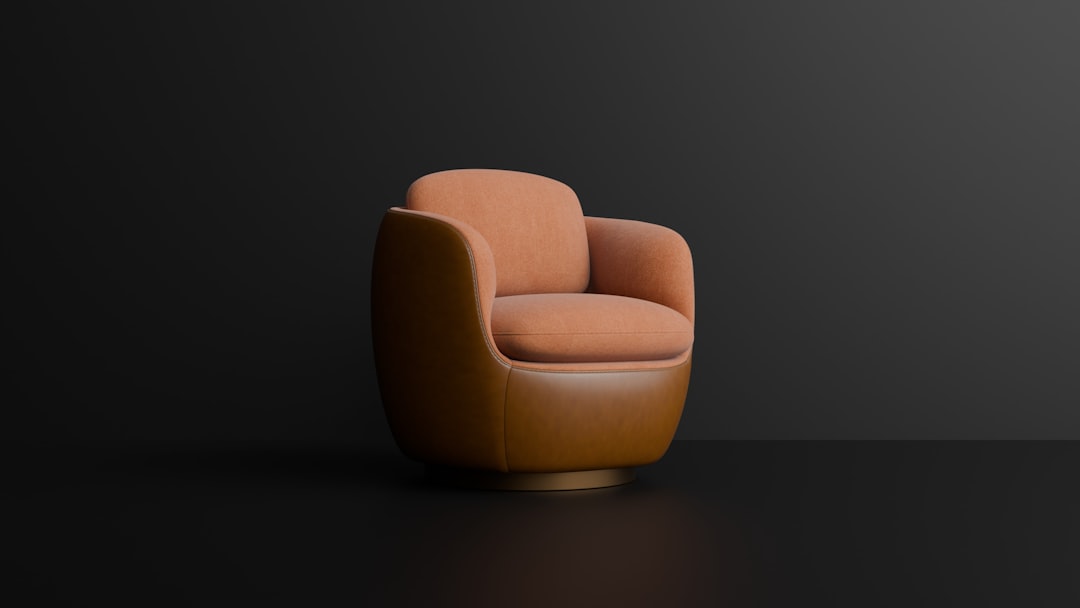
Ultimately, the right accent chair isn’t just about style — it’s about how it interacts with the room’s dimensions. A modern armchair beside the sofa creates a second seating zone without committing to a sectional — useful in HDB living rooms where the third seat doesn't fit, and in condos where the living room doubles as work-from-home space. Megafurniture's Modern Armchair range covers wingback, club, accent, swivel, and recliner styles. Footprints span 60cm reading chairs up to oversized 90cm lounge designs, sized for compact Singapore living rooms.. For HDB buyers, prioritising depth under 85cm ensures the chair complements rather than competes with the space. An Accent Chair earns its place in the living room not through utility but through punctuation — a single piece in a contrasting fabric, bold colour, or distinctive silhouette that breaks up the visual neutrality of a sofa-and-coffee-table setup. Megafurniture's modern contemporary armchair range covers wingback, club, swivel, and statement-design variants in fabric, velvet, leather, and faux leather upholsteries. Pricing for the modern contemporary line typically starts around $349.. Condo owners, meanwhile, have the luxury of exploring deeper, more luxurious options that might overwhelm a BTO living room.
Bukit Timah landed homes often face higher humidity levels than high-floor condo units — a fact that’s painfully obvious to anyone who’s watched velvet upholstery develop mildew spots within weeks. For year-round durability, treated teak frames outperform MDF, which swells and warps in Singapore’s damp climate. Pair it with moisture-wicking velvet backed by breathable fabric, or opt for perforated leather that allows airflow without compromising on luxury.
In landed properties, fabrics like untreated cotton or linen are a no-go; they absorb moisture quickly and become breeding grounds for mildew. Mid Century Armchair . Condo dwellers might get away with these materials, especially in units above the 15th floor where airflow reduces humidity. Still, it’s safer to stick with performance fabrics like Crypton or Sunbrella, which resist stains and moisture without sacrificing style.
Velvet with a moisture-wicking backing is a smart choice for both settings — it’s luxurious yet practical, offering a plush feel without trapping humidity. Perforated leather, on the other hand, works particularly well in landed homes where airflow is limited; the tiny holes prevent moisture buildup while maintaining a sleek, modern look.
For homeowners in Bukit Timah, the battle against humidity is relentless. Even with air conditioning, untreated materials can deteriorate faster than expected. Investing in treated teak and performance fabrics isn’t just about aesthetics — it’s a practical move to ensure your accent chair stays pristine through Singapore’s relentless wet seasons.
Condo units, especially those in high-rise buildings, offer a bit more leeway. Still, opting for humidity-resistant materials ensures your furniture lasts longer, even if you’re not dealing with the same level of dampness as a landed property. After all, nobody wants to replace an accent chair every few years because of preventable damage.
Accent chairs often arrive fully assembled, and buyers frequently underestimate the clearance needed for delivery through HDB stairwells. Queenstown units, for instance, typically have narrower staircases — around 90cm wide — which can complicate manoeuvring larger pieces. Measure not just the chair dimensions but also the path it’ll take from lift lobby to living room. That sculptural wingback might look stunning online, but if it won’t fit past the third-floor landing, it’s staying in the corridor. Always double-check stairwell widths against delivery routes before committing.
While bouclé remains a favourite for its plush texture, it’s a magnet for pet hair and stains. In homes with shedding cats or dogs, performance velvet or Crypton fabric might be more practical. These materials offer similar visual impact but are easier to clean and maintain. Light-coloured fabrics, especially white or cream, show dirt quickly in high-traffic areas like condominium living rooms. Consider darker tones or patterned upholstery if you’re aiming for both style and durability.
Accent chairs designed for larger spaces often overwhelm compact Singapore living rooms. A 75cm-wide chair might look proportionate in a landed property but dominate a 4-room BTO living area. Always measure your available space — a good rule is to leave at least 60cm clearance around the chair for easy movement. West Coast condo layouts, for example, often feature narrower living rooms, so scale down accordingly. Don’t rely solely on online product photos; check the actual dimensions against your floor plan.
High-rise deliveries depend on lift capacity, and many accent chairs exceed standard HDB elevator sizes. Queenstown HDB lifts, for instance, typically have a 1.5m ceiling height, which can restrict taller pieces. Measure the lift’s internal dimensions — height, width, and depth — before ordering. Some curved or oversized chairs may require disassembly or professional hoisting, adding to delivery costs. Mid-century armchairs lean on iconic 1950s-1960s silhouettes — egg chairs, wingbacks, straight-line compact accent designs — rendered in modern materials and proportions. Megafurniture's Japandi Armchair collection includes solid wood frames with premium fabric or leather upholsteries, with prices starting at $699. The range pairs particularly well in homes leaning into 1960s-inspired interior schemes or eclectic modern setups.. Always confirm lift access with the seller to avoid last-minute surprises.
An accent chair should complement existing furniture without clashing or disappearing entirely. In many Singapore homes, bold colours like emerald green or mustard yellow work well against neutral backdrops. Avoid matching the chair too closely with your sofa — instead, aim for contrast in texture or shape. For example, pair a sculptural velvet chair with a streamlined leather sofa to create visual interest. The goal is to make the chair a focal point, not an afterthought.
At Megafurniture’s Joo Seng showroom, the marble flooring in the corner tests chair stability in ways parquet can’t. It’s a detail homeowners often overlook — until a guest leans back too far and the chair wobbles on a polished surface. For those considering an accent chair, this setup lets you assess how it’ll hold up in a condo living room with marble tiles or a landed property’s foyer. Over at the Tampines outlet, natural light streams through floor-to-ceiling windows, revealing how taupe velvet shifts under LED bulbs versus daylight. It’s a subtle but critical difference — what looks warm and neutral in the showroom might lean grey under harsh lighting at home. Bring your throw pillows along; matching tones ensures your new piece complements existing decor without clashing. Velvet’s texture also matters. A Japandi armchair brings Japanese minimalism and Scandinavian warmth into a single seating piece — light wood frames, natural-fibre upholstery, low-profile silhouettes. Megafurniture's Recliner Armchair range starts around $359 and covers low-profile lounge chairs, statement accent pieces, and reading-nook designs. Most are sized for compact Japandi living rooms and home offices.. Run your hand across the fabric — a tighter weave feels smoother and resists stains better, while a looser pile can look richer but may show wear sooner. If you’re pairing the chair with a Somnuz® mattress in a bedroom nook, consider how the materials interact visually and tactilely. For smaller spaces, like a 4-room BTO living room, test how the chair’s sculptural silhouette fits with your sofa or coffee table. A curved back might soften angular furniture, while a bold colour can anchor the room without overwhelming it. Testing in person beats online shopping for accent chairs — you’ll notice details like stitching quality or how the legs sit on uneven flooring. It’s worth the trip to Eunos or Bedok to get it right. Browse the
optionsbeforehand, but leave room for discovery.
The narrow staircases in pre-1990 HDB blocks are a delivery nightmare — especially for accent chairs with sculptural frames or curved backs. Disassembly is often non-negotiable; delivery teams typically require buyers to confirm dimensions of lift landings (usually around 1.2m wide) and staircases (often as tight as 0.9m). Chairs with removable legs or backs simplify the process, but those with integrated designs might need professional dismantling, adding $80 to $150 to the delivery fee.
For landed properties, access fees can escalate quickly — especially if the chair needs to navigate steep driveways or tight gateways. These charges usually range from $200 to $400, depending on the complexity of the route. Sentosa Cove homeowners face an additional layer of complexity: sea air humidity can warp untreated wood or corrode metal frames. A recliner armchair beside the main sofa creates a dedicated relaxation zone without committing the whole room to recliners — ideal for homes where one resident wants a recliner and the other doesn't. Megafurniture's Dining Arm Chair range covers manual lever, push-back, and electric variants across 1-seater configurations. Most include a footrest extension and adjustable backrest in a single pull mechanism.. Warranty cards must explicitly cover humidity damage; otherwise, buyers risk voiding coverage for issues like rust or mould.
In older HDB blocks, delivery teams often warn about tight corners on stairwells — a common culprit for scratches or dents. Buyers should double-check the chair’s widest point (including armrests) and compare it to staircase dimensions. For curved designs, the chair’s height matters too; low ceilings can force awkward angles during transport.
Delivery realities often dictate design choices. A sleek, modular accent chair might not make the same visual impact as a bold, sculptural piece — but it’s far more likely to arrive unscathed.
Check the chair’s height to ensure it fits proportionally with nearby furniture, such as sofas or tables. A chair that’s too tall or short can disrupt the room’s harmony. Aim for a height that aligns with or slightly varies from adjacent pieces for a cohesive look.
Assess the chair’s legroom by ensuring there’s enough space beneath it for easy movement or placement of a rug. Adequate legroom prevents the chair from feeling cramped and enhances its usability. This detail is crucial for maintaining both comfort and accessibility in your space.
Verify the chair’s depth to ensure it provides adequate seating comfort without protruding too far into the room. A depth of 20–24 inches is ideal for most spaces, offering support while maintaining a compact footprint. This ensures the chair is both functional and space-efficient.
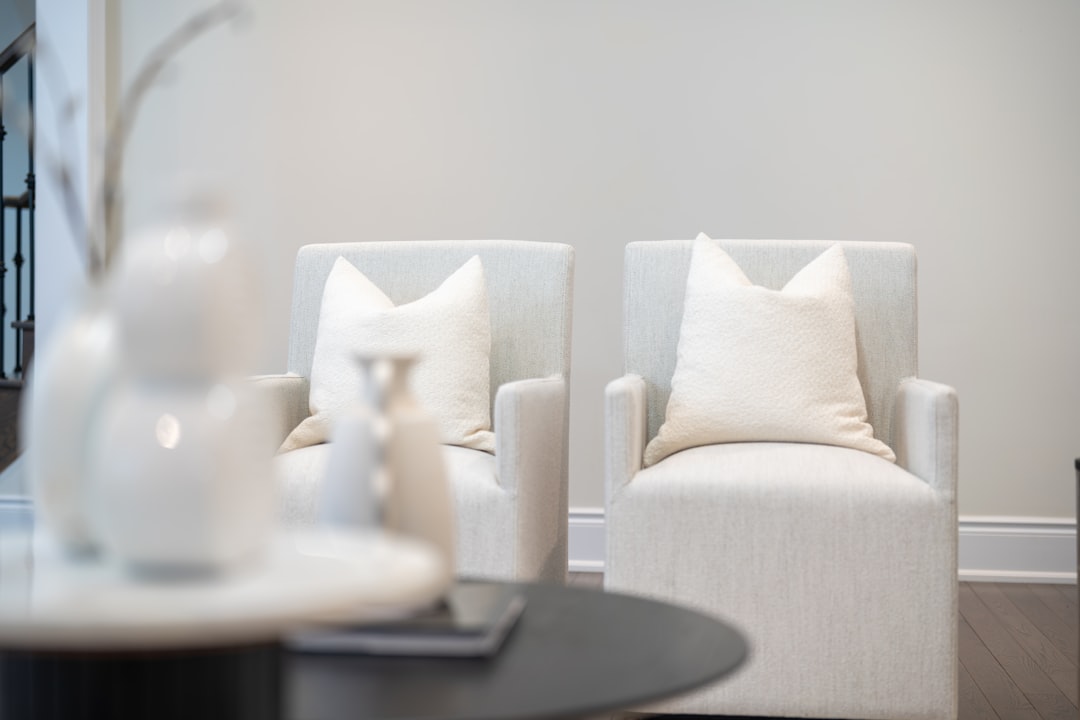
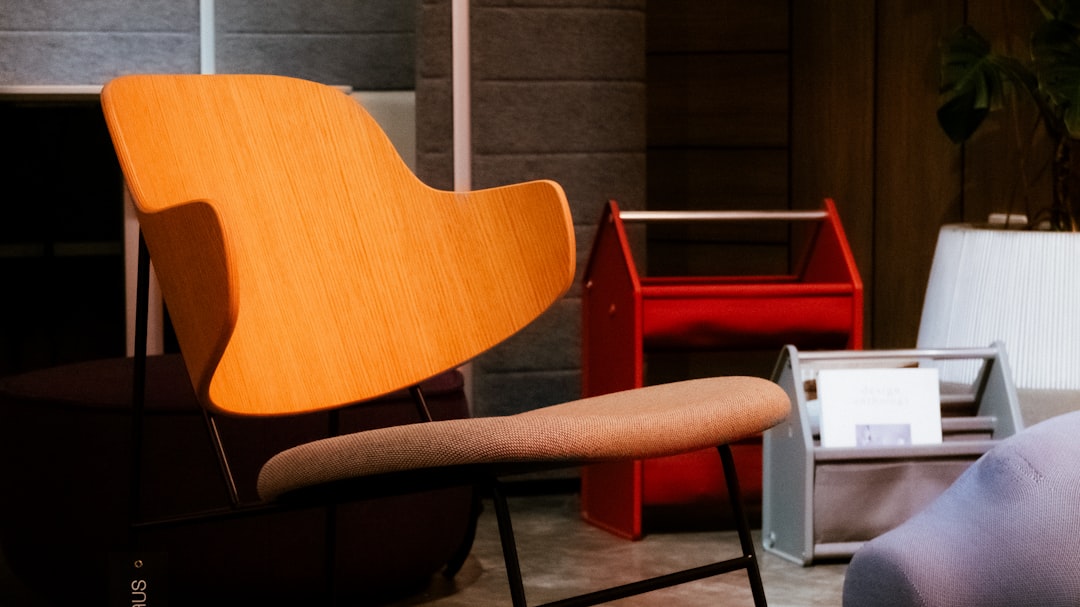
The armrest-to-coffee-table gap in Singapore flats follows a brutal arithmetic: subtract 38cm from your sofa length, and that’s what’s left for walking space. Most four-room BTO living rooms clock in at 3.2m wall-to-wall — meaning an L-shaped sofa with 220cm sides leaves just 62cm clearance. Sofa . That’s barely enough for knees when seated, let alone passing through with a laundry basket.
Carousell resale listings reveal the real-world compromises — sellers advertising “HDB-friendly” sectionals often measure 210cm with 35cm armrests. The advertised 76cm doorway clearance for curved-back chairs? Rare outside Ang Mo Kio’s older corridor units. Newer BTOs shrink doors to 68cm standard, forcing buyers to either disassemble frames or stick to low-profile designs under 65cm at their widest point.
Coffee tables compound the squeeze. The sweet spot sits at 45cm height — low enough to avoid knee collisions, high enough to clear sofa skirts. Go below 40cm and you’ll hunch for your kopi; exceed 50cm and it becomes a shin hazard. Depth matters too — 60cm leaves space for legs, while 80cm versions demand a 4m room to feel proportionate.
Megafurniture’s collection accounts for these constraints with modular sectionals under 200cm and armless accent chairs. Their velvet bouclé options clock in at 58cm depth — narrow enough to tuck beside bookshelves in Tampines corridor flats.
The true test comes during visiting hours. That 38cm clearance works until aunts arrive with tote bags, proving once again that Singaporean furniture math always carries a 15% socialising tax.
The delivery team’s last-minute realisation that the stairwell’s too narrow for your accent chair is the kind of oversight that turns a design-forward purchase into a logistical headache. Verify access points early — especially in landed properties with tight staircases or condominiums where lifts barely accommodate oversized furniture. It’s not just about the chair fitting through the door; it’s about navigating every corner from the lobby to your living room.
Fabric swatches can deceive under showroom lighting. Test them in your space — hold them against walls during midday sun and again under your evening lamps. That bold velvet might look striking under artificial light but clash with your morning light’s warm tones. Measuring existing rug patterns is equally crucial; a statement chair should complement, not overpower, the room’s scale. Living Room Furniture . Bring your renovation floor plans along if you’re consulting experts — it’ll save time and ensure the chair’s proportions align with your vision.
In many homes, the accent chair becomes the focal point of a 4-room BTO living room or a landed property’s reading nook. But don’t let aesthetics overshadow practicality. Check for clearance around the chair — you’ll want at least 60cm of space for movement, especially in compact layouts. And while it’s tempting to prioritise visual impact, consider how the chair feels after 30 minutes of sitting. After all, it’s not just a design feature; it’s a piece you’ll actually use.