Most HDB BTO living rooms hover around 12 sqm — enough for a sofa, TV console, and maybe a side table, but not much else. Add a curved accent chair, and suddenly, the room feels like a Tetris puzzle gone wrong. Oversized designs, though striking in showrooms, often overwhelm these compact spaces, disrupting the flow and making humidity-prone interiors feel even more stifling.
Measurements matter here more than aesthetics. A chair that looks perfect in a landed property’s spacious lounge can dominate a 4-room BTO living room, leaving little room for movement. Aim for a footprint no larger than 80cm in width and depth; anything bigger risks turning your living room into an obstacle course. Height matters too — taller backs can make ceilings feel lower, especially in HDB flats with standard 2.6m heights.
Material choices play a role in how bulky a chair feels. Performance velvet or bouclé adds texture without adding visual weight, while darker tones can help the piece blend into the background. Lighter finishes, though trendy, tend to draw the eye and make the chair feel more imposing in smaller spaces. It’s a delicate balance — you want the chair to stand out, but not at the expense of the room’s functionality.
In many homes, the accent chair ends up tucked into a corner, doubling as a side table for coffee cups or books. If that’s the case, consider designs with lower armrests or open bases; they’re easier to navigate around and don’t trap dust in humid climates. A curved chair should enhance the room, not compete with it — and in a 12 sqm HDB living room, that means thinking small before thinking bold.
Velvet’s resilience to humidity makes it a practical pick for landed properties, where air moisture often hovers above 80%. It’s not just about the plush texture — the fabric’s dense weave resists mould and mildew, even in Singapore’s relentless wet season. Bouclé, on the other hand, thrives in air-conditioned condos where humidity is controlled. Its looped yarns add a tactile warmth to sleek interiors, though it’s less forgiving in damp environments.
Untreated wood is a gamble in Singapore’s climate. Warping and cracking are common, especially in older landed homes where ventilation isn’t ideal. Even in condos, untreated pieces can swell during monsoon months, leaving buyers with uneven legs or misaligned joints. Modern synthetics, like performance polyester or acrylic blends, are engineered to withstand humidity without sacrificing style. They’re often treated with water-resistant coatings, making them a safer bet for humid conditions.
In many landed properties, where ceiling fans and open windows dominate, materials need to breathe. Synthetic fibres wick moisture efficiently, preventing that sticky feeling common with natural fabrics. For condos, where air-conditioning keeps humidity low, bouclé offers a cosy contrast to cooler interiors. Velvet’s sheen adds depth to smaller spaces, catching light in ways that amplify a room’s perceived size.
The choice often comes down to maintenance. Velvet requires regular brushing to keep its nap intact, while bouclé traps dust in its loops. Synthetics, though less luxurious, are easier to clean — a wipe-down with a damp cloth is usually enough. For buyers prioritising durability, modern materials are hard to beat.
Larger curved accent chairs require more materials and labor, leading to higher costs. Smaller chairs are typically more economical and easier to fit into tight spaces. Measure your area to determine the ideal size without overspending.
Well-known brands often charge more for curved accent chairs due to their reputation and craftsmanship. Lesser-known brands may offer similar quality at a lower price. Research reviews and compare options to find the best value.
The type of material used for curved accent chairs significantly affects their cost. High-quality fabrics or premium leathers tend to increase the price, while synthetic options are more budget-friendly. Consider durability and maintenance when selecting materials to balance cost and longevity.
Singapore's humidity turns linen and raw silk into mould magnets within months — yet buyers still gravitate toward these Instagram-friendly textures for curved accent chairs. Performance velvet or Crypton-treated polyester blends handle sweat and spills better, though they lack the organic appeal of natural fibres. That taupe bouclé chair might photograph beautifully, but it'll trap odours and show grease stains after one steamy weekend. Budget $200–$400 extra for stain-resistant treatments; reupholstering a curved frame costs triple that when the fabric fails.
Most landed property staircases and HDB lift lobbies can't accommodate chairs wider than 75cm — yet showrooms display sprawling 90cm statement pieces. Buyers forget to measure their building's service lift or staircase turns before falling for a sculptural backrest. That teardrop-shaped accent chair might fit the living room, but getting it there could require dismantling door frames. Always check the narrowest passage point; some Tiong Bahru walk-ups have 60cm-wide stairwells.
Solid wood frames warp in Singapore's wet season unless treated with marine-grade sealants, adding 15–20% to the base price. Cheaper MDF alternatives swell at the first sign of moisture, causing joints to creak within a year. Metal bases avoid these issues but conduct heat uncomfortably in unairconditioned spaces. For landed properties with open-concept living areas, powder-coated aluminium frames outperform untreated teak or oak despite the industrial look.
That viral scalloped chair in pistachio green already looks dated next to this season's curved barrel designs — and accent chairs date faster than primary seating. Buyers chasing micro-trends end up replacing pieces every 18 months instead of treating them as long-term investments. Neutral shapes with interchangeable cushions age better; a simple camelback silhouette from Megafurniture's collection outlasts novelty designs while taking up the same footprint.
Statement chairs placed opposite floor-to-ceiling windows fade dramatically within six months — Jalan Kayu terraces get particularly harsh afternoon sun. Buyers forget UV damage until the emerald velvet turns khaki or the walnut stain bleaches orange. Positioning matters as much as material; rotate chairs monthly or budget for blackout curtains. East-facing condos in Marine Parade need tighter fabric specifications than north-facing landed homes in Bukit Timah.
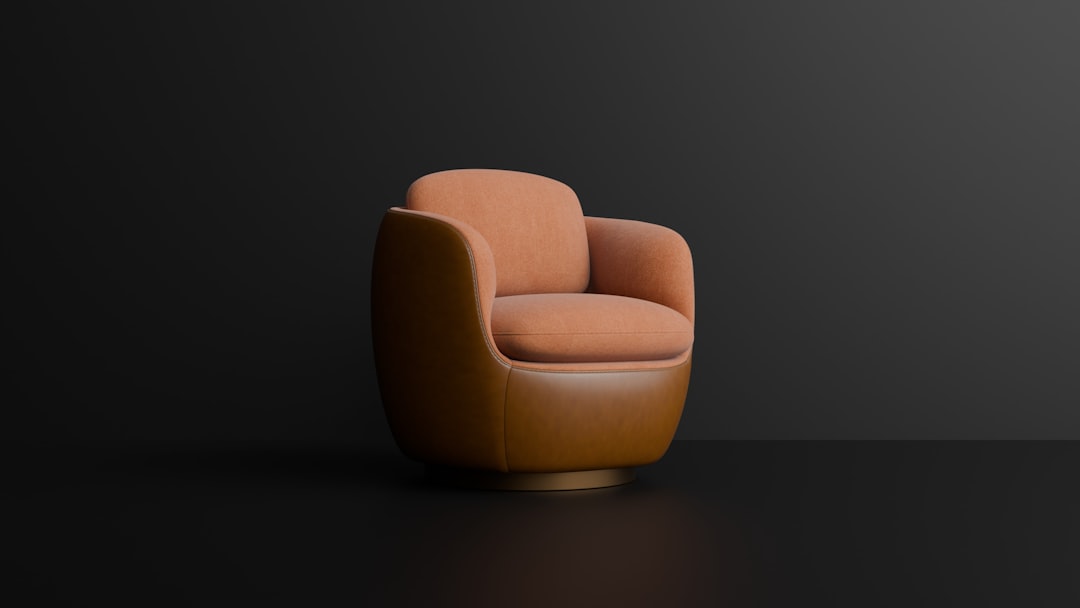
A curved accent chair that looks perfect in a showroom photo often feels entirely wrong in a 4-room BTO living room — the proportions skew awkward against low ceilings, or the velvet clashes with existing drapes. That’s why buyers eyeing sculptural silhouettes should test them in person at Megafurniture’s Joo Seng and Tampines showrooms, where floor models let you gauge three critical mismatches online shopping can’t reveal. Scale deceives. A chair with a 75cm seat height might tower over a condo’s low-slung sofa, while a compact 60cm-wide design gets lost in a landed property’s double-volume space. Walk around display units to check sightlines from multiple angles — how the curve interacts with nearby coffee tables or console placements matters more than standalone aesthetics. Fabric samples swatched under showroom lighting expose what product shots hide: that blush bouclé reads pinker in north-facing rooms, or the olive performance velvet leans grey under warm LEDs. Run hands along armrests to assess texture density; thinner weaves snag faster on jewellery, while high-twist yarns withstand daily lounging. For buyers torn between two designs, sitting tests structural quirks the eye misses. One chair’s rounded back might force shoulders forward uncomfortably during extended reading sessions, while another’s deeper seat suits taller frames. The difference between “statement piece” and “regrettable impulse buy” often hinges on these 10 minutes of hands-on trial. Megafurniture’s showrooms group chairs by style — scalloped backs here, kidney shapes there — making it easier to compare how different curves anchor a space. Bring room dimensions and fabric swatches from existing furnishings; staff typically accommodate requests to shift floor models near windows or against feature walls to simulate home conditions.
The modern collectionincludes several curved designs with removable covers, a practical touch for condo dwellers navigating narrow lift landings.
Delivery to a 4th-floor walk-up HDB flat in Bedok can turn a $1,200 curved accent chair into a $1,600 headache — especially if the stairwell’s too narrow for the packaging. Most Singaporean buyers don’t think about access until the delivery van pulls up; that’s when they realise the chair’s sculptural curves, while stunning in a showroom, make it trickier to manoeuvre than a standard armchair. For landed homes, the challenge shifts to humidity — untreated wood frames or unprotected fabrics can warp or discolour within months, even with air-conditioning.
Assembly services often come standard for simpler designs, but curved accent chairs typically require more specialised handling. The swooping backrests and rounded legs that make these pieces Instagram-worthy also mean more screws, brackets, and potential misalignments during setup. It’s worth confirming whether the retailer offers on-site assembly for these intricate designs, particularly if you’re eyeing a chair with a bouclé or velvet finish — materials that show every scuff from DIY attempts.
Warranties in Singapore’s humid climate should cover more than just structural integrity. Look for terms that protect against warping, mould, or fabric discolouration, especially if the chair will sit near a window or balcony. For HDB dwellers, it’s also smart to check if the warranty remains valid if the chair has to be disassembled and reassembled during a future move — a common scenario in Singapore’s transient rental market.
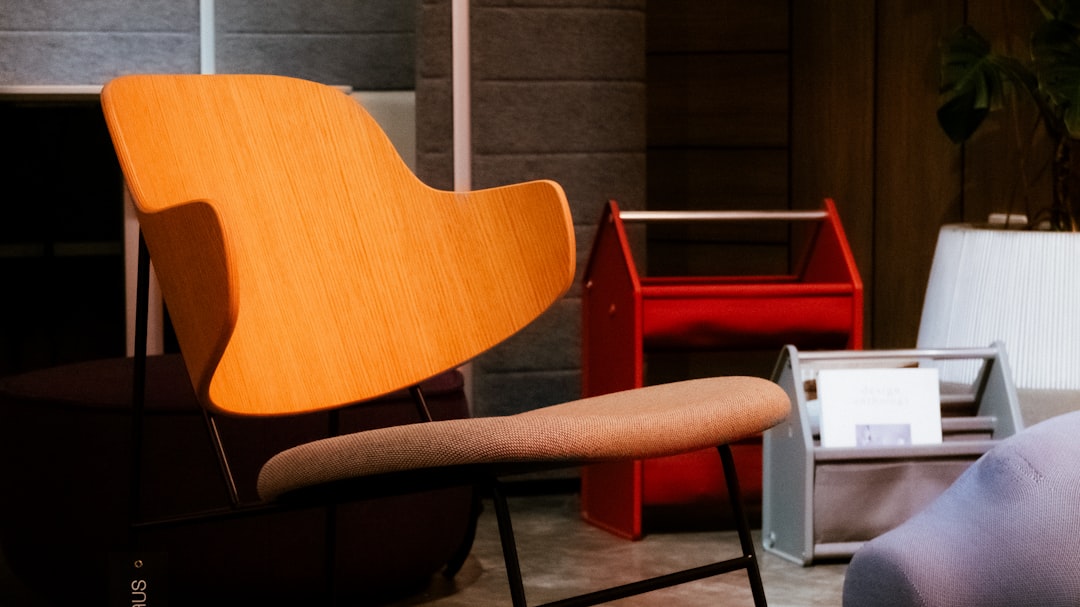
Curved accent chairs often end up in HDB corridors — a space-saving move that works until buyer realises the chair’s width exceeds the 1.2m corridor clearance. For most HDB flats, chairs under 80cm wide fit comfortably without blocking access; anything wider risks becoming an obstacle for daily movement.
Pet owners frequently ask about fabrics. Performance velvet and Crypton are top picks — they resist scratches and stains better than bouclé or linen. Cats tend to leave bouclé alone, but dogs will test any fabric’s durability within weeks. Avoid sheepskin unless buyer’s willing to vacuum it daily.
Delivery timelines for resale flats can stretch to six weeks, especially if buyer’s coordinating with renovations. New BTOs often have more flexible schedules, but it’s worth checking if the building’s lift can accommodate large furniture — some older HDB blocks require manual hauling up narrow staircases.
High humidity in Singapore affects furniture more than most buyers expect. Solid wood frames fare better than particleboard, but even they need occasional airing to prevent mould. Leather and performance fabrics handle moisture well; natural fibres like linen or cotton can develop mildew in unventilated spaces.
That curved velvet chair might look perfect in the showroom’s staged vignette, but in a 12 sqm HDB living room, its sculptural back could dominate sightlines — measure twice, then subtract 30cm for the inevitable laundry rack encroaching on floor space. Singapore’s humidity tests materials harder than any Instagram filter; look for tight-weave performance fabrics (Crypton, Sunbrella) over loose bouclé that traps cat hair, and check if the frame’s rubberwood legs show watermarks after three monsoon seasons. Megafurniture’s showrooms let you test-drive chairs properly — sit for 15 minutes, not 15 seconds, since accent pieces still need to hold up during CNY visits. Their delivery team knows HDB lift dimensions down to the centimetre, but it’s worth sketching your corridor’s sharpest turn; one buyer in Tampines had to hoist a chair through the service yard because nobody accounted for the rubbish chute’s protrusion. Pet owners should skip tufted details that claws love to snag — smooth, stain-resistant velvet in dark emerald or charcoal hides scratches better than beige linen. The best compromise? A chair with removable cushion covers that can survive monthly washes without fading, paired with a scratch-proof metal base instead of tempting woven rattan. Before swiping your card, check the return policy’s fine print: some curved designs can’t be disassembled for repackaging, leaving you stuck with a statement piece that doesn’t fit after all. And that sculptural silhouette you loved under showroom spotlights? It’ll cast awkward shadows in a north-facing Bedok flat with fluorescent tube lighting — try viewing it under your actual home’s conditions before committing.
Browse the collectionwith these dealbreakers in mind, but remember: no chair survives Singapore intact unless it’s been stress-tested against wet umbrellas, toddler snacks, and the occasional durian feast.