The velvet accent chair in a Tiong Bahru walk-up flat does double duty—it’s where the owner drapes yesterday’s outfit, yet still looks intentional when guests arrive. Singaporeans treat these pieces like functional sculpture: in 4-room BTO layouts, a single curved bouclé chair can define the living area without eating into the 2.8m clearance needed for daily traffic. Humidity dictates material choices more than aesthetics here. Performance velvets and treated linens dominate showrooms because they won’t develop that damp patch where thighs meet seat cushions—a common flaw with cheaper imports. Sculptural designs work harder in tight spaces; a scalloped backrest reads as intentional from any angle in a 12 sqm living room, unlike blocky armchairs that swallow visual real estate. Budget ranges tell a story. The $1,200–$2,400 segment covers most locally stocked options with proper kiln-dried frames—critical for avoiding warping in our climate. Below that, you’ll find particleboard bases masquerading as solid wood; above, imported Italian leather that’s overkill for flats where the chair mainly functions as an Instagram backdrop. Placement follows two rules: either centre it as a solo statement near the balcony door (where light highlights the texture), or pair with a complementary sofa in landed properties where space allows. The worst outcome? That sad orphan chair wedged between the TV console and shoe cabinet, looking like afterthought storage. For those browsing options, Megafurniture’s
modern collectionleans into compact silhouettes with 85cm widths—the sweet spot for floating beside a sectional without blocking walkways. Their teal velvet model appears in half the design firm mood boards for a reason: it photographs larger than it is.
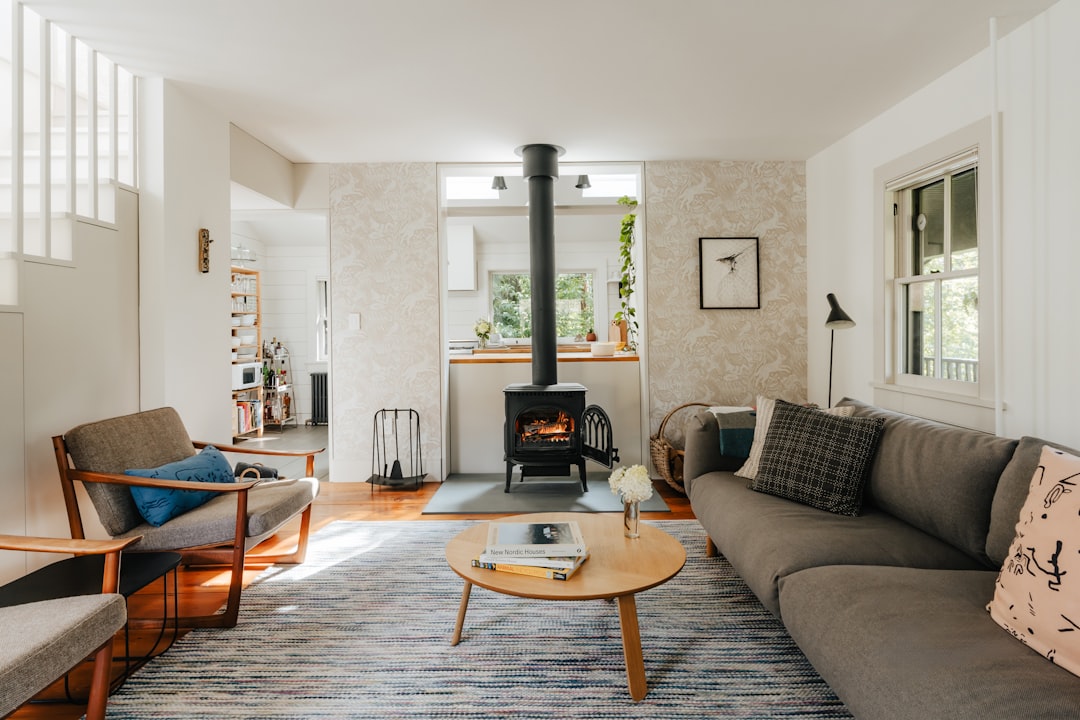
Corner placement solves two problems in a 12 sqm HDB master bedroom — wasted space and awkward circulation. Angle that sculptural bouclé accent chair diagonally toward the bed, leaving just enough clearance for the wardrobe door to swing open; it’ll create a natural pause point without blocking the 60cm walkway to the ensuite.
Lighter hues do heavy lifting here. A blush pink or dove grey velvet chair reflects more light than espresso leather, making the room feel less cramped — crucial when you’re working with under 3m between walls. Avoid pushing furniture flush against surfaces; even 15cm of breathing room behind the chair back prevents that cluttered look.
Most homeowners underestimate walkway needs until they’re sidestepping the chair daily. Measure from the bed’s footboard to the opposite wall before committing; anything under 80cm means you’ll brush against armrests when passing. In narrow layouts, consider swapping traditional side tables for wall-mounted shelves to preserve floor space.
That curved-back accent chair you saved from Megafurniture’s collection? It works harder when positioned to face both the bed and doorway — a subtle cue that guides movement through the room. Just skip the matching ottoman; in tight quarters, it’s usually more obstacle than asset.
Diagonal placement isn’t just about aesthetics. It breaks the rigid grid of HDB rooms, tricking the eye into perceiving depth where there isn’t any. For corner windows, align the chair’s front leg with the window frame’s edge; the asymmetry feels intentional rather than forced.
Singapore's 85% average humidity warps untreated wood within months. Performance velvet outperforms cotton blends—its tight weave resists mould while maintaining colour vibrancy. Bouclé's looped yarn traps less moisture than flat weaves, though occasional dehumidifier runs help. For metal frames, powder-coated aluminium beats untreated steel; rust spots appear around East Coast condos first. Leather requires quarterly conditioning unless treated with nano-coatings.
Scratch-resistant Crypton fabric repels cat claws better than linen or silk blends. Tightly woven chenilles hide dog hair between vacuum sessions—crucial for landed properties with shedding breeds. Avoid loose weave bouclé near food bowls; kibble crumbs lodge permanently in the texture. Darker performance velvets mask paw prints better than light neutrals. Removable cushion covers matter more than stain resistance when dealing with puppy accidents.
Spill-tested fabrics should withstand weekly wipedowns with diluted Dettol. Smooth leathers allow quick stain removal—unlike nubuck that traps kopi-O drips. Modular designs let you detach armrest covers for deep cleaning in HDB laundry basins. Sunbrella fabrics tolerate bleach solutions for households with toddlers. Skip tufted details if you're within 500m of East Coast Park's salt spray.
Rubberwood resists warping better than pine or mango wood in non-airconditioned spaces. Powder-coated steel works for balcony-adjacent seating but requires quarterly hinge lubrication. Solid teak withstands Bukit Timah's damp microclimate if properly sealed. Avoid MDF bases in ground-floor flats near drainage canals—swelling starts at the legs. For landed properties, aluminium frames survive monsoon seasons better than wrought iron.
Spend 60-70% of budget on frame quality for pieces meant to last a decade. Mid-range performance fabrics ($1200-$2400 range) offer better value than luxury imports needing specialist cleaners. Landed property owners should prioritise UV-resistant materials for sunlit verandahs. HDB dwellers often compromise on stain resistance for bold colours—until toddlers arrive. Always verify warranty covers humidity damage before finalising purchases.
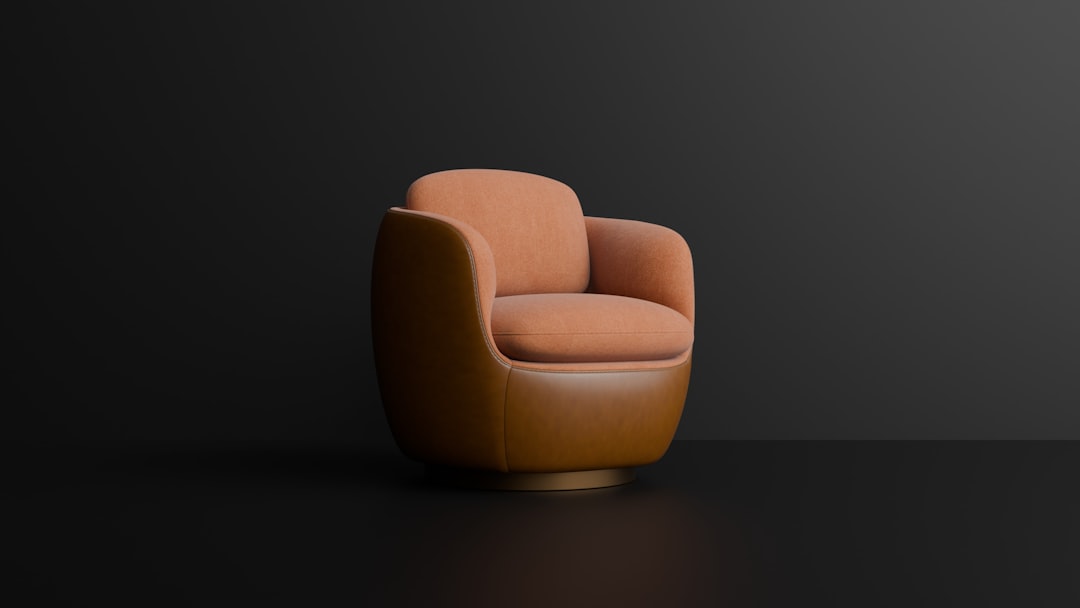
The delivery crew’s resigned sigh when an accent chair won’t fit through the lift doors is a distinctly Singaporean sound. Measure first — HDB lift dimensions average 1.5m wide by 2.1m tall, but that sculptural velvet throne from Megafurniture’s collection might clock in at 1.8m when tilted. Better to check stairwell clearance in older estates like Tiong Bahru or Joo Chiat, where lifts predate today’s bulkier designs.
Trends like egg chairs or orb silhouettes dominate Pinterest, but their curved bases eat up 1.2m floor circles in 4-room BTO living rooms. That’s fine for landed properties in Bukit Timah, disastrous for HDB dwellers who still need walking space between the chair and TV console. The most successful statement pieces here balance boldness with negative space — a single emerald bouclé armchair against white walls reads intentional, not cramped.
Material choices matter more than Instagram suggests. Performance velvets handle humidity better than linen in Bedok’s coastal flats, while darker legs hide scuff marks from kids and helper trolleys. Neutral surroundings absorb the visual weight of a sculptural piece; pair a mustard-yellow accent chair with beige walls and you’ll avoid the showroom effect.
One persistent mistake? Buying for hypothetical guests rather than daily life. That $1,200 accent chair should work for your 45-minute nightly scroll through TikTok, not just the two times a year cousins visit from Kuala Lumpur. Test the seat depth — anything under 50cm leaves most adults perched awkwardly, while deeper models swallow petite frames whole.
Storage beds beat divan beds in most HDB flats simply because nobody has anywhere else to put their luggage. The same logic applies here: if the chair’s footprint blocks your usual path to the balcony, it’ll annoy you long before it impresses anyone.
The Joo Seng showroom’s velvet accent chairs get sat in more often than most living room pieces—not by customers testing comfort, but by tired spouses dragged along for weekend shopping. That’s the thing about statement chairs: if they can’t handle 15 minutes of impatient fidgeting, they won’t survive dinner parties. Megafurniture’s floor models hold up; their curved-back designs strike a balance between sculptural flair and proper lumbar support, with seat depths around 50cm—shallow enough for compact layouts but deep enough to lounge. Singaporean buyers gravitate toward the Tampines location’s bouclé options, which resist stains better than expected for a material that looks this plush. The showroom lets you test how a 65cm-wide scalloped armchair actually fits in a corner—critical when you’re working with a 4-room BTO living room’s 2.8m wall. Assembly typically takes under 20 minutes; the illustrated guides avoid the usual frustration of upside-down diagrams and leftover screws. What seals it for design-conscious shoppers is the lack of compromise. You’ll find performance fabrics on chairs with proper tapered legs instead of blocky bases, and curved silhouettes that don’t sacrifice seat stability. For those refreshing a space without overhauling everything,
the modern-contemporary rangeslots into most colour schemes—the olive greens and terracottas play well with both warm wood tones and cool marble-look laminates. The showrooms know their audience. Staff will point out which armless designs tuck under console tables when not in use, or how a 70cm-high backrest can visually divide an open-plan living-dining area without blocking sightlines. It’s the small things—like chairs that actually fit through HDB lift doors—that make the difference between a showpiece and a daily nuisance.
Delivery timelines matter more than most buyers realise—especially in HDB blocks where lift landings barely fit a disassembled bed frame. Expect 3–5 business days for accent chairs, though custom upholstery (like Megafurniture’s velvet or bouclé options) might push it to seven. Pro tip: schedule deliveries mid-week; weekend slots book out fast, and you don’t want your statement piece languishing in a warehouse until next Friday.
Assembly’s usually straightforward—four legs, maybe a backrest screw or two. But those curved, sculptural designs? They’ll arrive fully assembled, wrapped in enough foam to survive a tumble down Eunos MRT’s escalators. Warranty notes get specific: 10 years on frames (essential for daily plopping), just one on fabrics. Spilled kopi-o on that mustard-yellow velvet? That’s on you.
Warranties cover manufacturing flaws, not "my nephew jumped on it like it’s a trampoline." For HDB dwellers, that frame durability clause is key—compact living rooms mean chairs double as makeshift side tables, luggage perches, or stepping stools to reach the top shelf. One buyer’s warranty claim got denied because their cat’s claw marks counted as "aesthetic alterations." Fair warning.
Megafurniture’s team will haul the chair up to your door, but they won’t rearrange your entire living room. Measure your lift’s dimensions beforehand—some Art Deco-inspired armchairs have wings wider than a Singaporean auntie’s opinion. If it doesn’t fit, you’re stuck with rescheduling fees or the dreaded "leave it in the void deck" option.
Rain’s the wildcard. Delivery guys will call ahead if it’s pouring, but they won’t wait around for your laundry to dry. Have a plastic sheet ready unless you fancy water stains on that teal performance fabric. And for heaven’s sake, clear a path—nobody wants to watch a $1,200 chair get wedged between your shoe cabinet and the fish tank.
Position accent chairs near corners or alongside other furniture to maximize open pathways. Avoid placing chairs directly in high-traffic zones to maintain ease of movement. Aligning chairs with walls or windows creates a seamless visual flow.
Pair accent chairs with lighter-toned furniture to create an airy, spacious feel. Use vertical elements like tall lamps or shelves to draw the eye upward, reducing clutter. Balanced visuals make compact rooms feel more open and inviting.
Choose accent chairs with built-in storage or foldable designs for added functionality. Multi-purpose chairs save space while enhancing the room’s practicality. This approach ensures the chair contributes to both style and utility.
Accent chairs in 10 sqm HDB rooms spark more debate than you'd think—until you see a neighbour's curved velvet piece wedged between the TV console and balcony door, somehow working. The trick isn't just size; it's leg shape. Slim tapered legs create negative space that makes even a 60cm-wide chair feel airy, while blocky bases eat into precious walkways.
Velvet chairs with pets? Possible, but only if you treat the fabric like school uniform trousers—spray protectant before first use, wipe spills within minutes. Performance velvets (Crypton, Sunbrella) handle claws better than standard varieties, though they'll still show temporary marks—own that lived-in look or stick to leather-look synthetics.
Bouclé's dust-trapping loops terrify neat freaks, but maintenance is simpler than its texture suggests. Weekly vacuuming with a brush attachment prevents grit from embedding; blot stains with cold water before they set. The real danger isn't dirt—it's sunlight. North-facing windows fade bouclé unevenly within months, leaving patchy ghost outlines where the chair once sat.
Singaporeans love asking about chair arms—should they touch the sofa? Ideally, no. Leave 15–20cm between pieces to avoid a cluttered look, though in many 4-room BTO layouts, that's a luxury. Floating an armless accent chair diagonally in a corner often works better than forcing symmetrical pairs.
Megafurniture's collection includes several sub-50cm depth options for tight spaces, but measure your doorway first. Nothing deflates a design moment like realizing the chair won't fit past the bomb shelter.
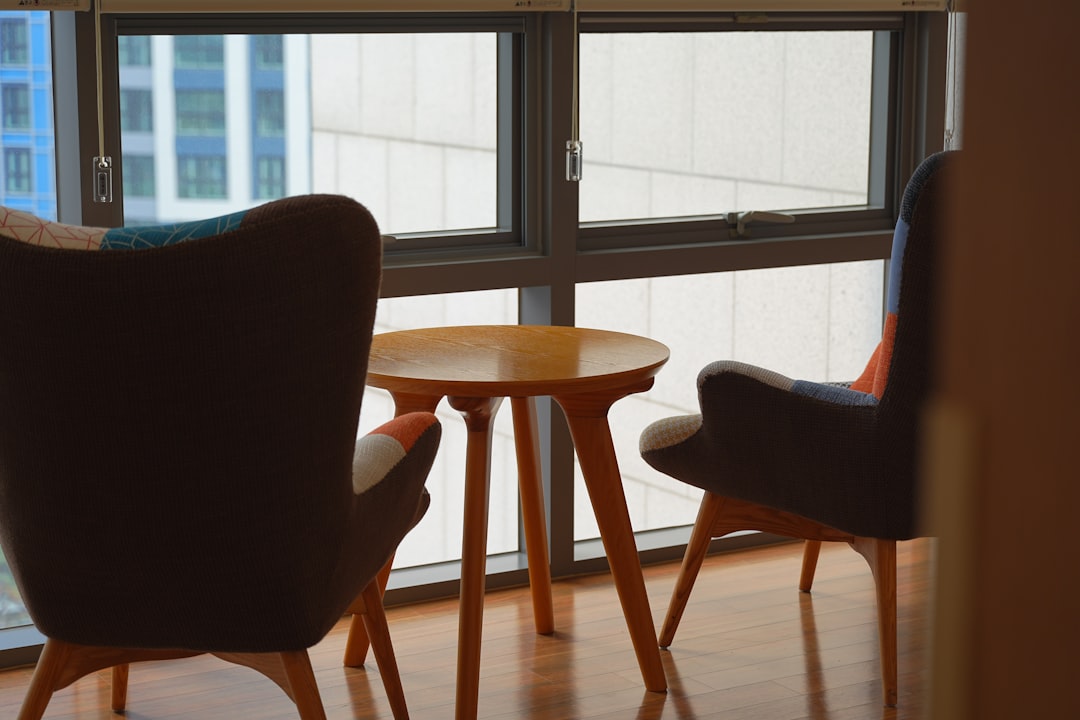
A 3.5m x 4m living room in a Katong walk-up can swallow a sculptural accent chair whole—or choke on it. That’s the first measurement to scribble down before browsing: not just floor space, but breathing room between existing furniture. Most Singaporean homes get this wrong by fixating on the chair’s silhouette instead of its footprint; a curved bouclé piece might photograph beautifully against a feature wall, but if it forces residents to sidle past like commuters at Raffles Place station during rush hour, it’s failed its primary function.
Showroom visits are non-negotiable for testing proportions. What looks like a compact 75cm-wide chair online often sprawls to 90cm with armrests—enough to disrupt circulation in many 4-room BTO layouts. Sit in it for at least ten minutes; that’s how long it takes to notice if the seat depth suits Asian proportions (typically 45–50cm for comfort without slouching) or if the backrest digs into shoulder blades when reclining. Megafurniture’s Tampines showroom lets you trial placements with mock living room setups—useful for visualising how a mustard velvet accent chair alters sightlines from the dining area.
Budget between $800–$1,500 for pieces that withstand humidity without warping or fading. Skip trendy acrylic designs unless you enjoy polishing fingerprints off surfaces weekly; performance velvet or stain-resistant Crypton fabrics handle spills better in homes with young children or pets. The sweet spot? A solid rubberwood frame with tapered legs that slide easily during spring cleaning—because in Singapore, even statement pieces need to work for their keep.