HDB living rooms between 12–16 sqm leave little margin for error with accent chairs—that sculptural velvet piece might stop looking intentional when it blocks half the walkway to the kitchen. The sweet spot sits around 85cm width; anything pushing 90cm starts eating into circulation space, especially in narrow layouts where the chair competes with a sofa and coffee table. Measure twice, buy once—that’s the rule for these compact spaces. A common misstep is eyeballing dimensions without accounting for door swings or the 60cm clearance needed for comfortable movement. In many 4-room BTO flats, an 80cm-wide armchair with tapered legs visually lightens the footprint while still making its design statement. Material choices matter almost as much as proportions. Performance velvets and bouclé hold up better against constant brushing past than delicate linens or loose-weave fabrics. Darker hues like emerald or navy disguise accidental bumps better than pale pinks—though that’s less about practicality and more about accepting how often ankles find sharp chair legs in tight quarters. For those set on a bold, oversized design, consider swapping the coffee table for nesting side tables. It’s a trade-off that lets the chair breathe without turning the room into an obstacle course. An Accent Chair earns its place in the living room not through utility but through punctuation — a single piece in a contrasting fabric, bold colour, or distinctive silhouette that breaks up the visual neutrality of a sofa-and-coffee-table setup. Megafurniture's modern contemporary armchair range covers wingback, club, swivel, and statement-design variants in fabric, velvet, leather, and faux leather upholsteries. Pricing for the modern contemporary line typically starts around $349.. The Joo Seng showroom’s
modern armchair rangeincludes several 82cm-wide options with slim profiles—proof that impact doesn’t always require bulk. Armless designs gain an advantage in tighter spaces, skirting the width issue entirely. A backless ottoman in a punchy colour can serve the same visual purpose while doubling as impromptu seating when relatives visit during CNY—just don’t expect anyone to admit it’s less comfortable than proper chairs.
Singapore’s humidity doesn’t just frizz hair—it warps wood, fades fabrics, and turns untreated leather into a cracked relic within a year. The wrong material choice for an accent chair here isn’t just about aesthetics; it’s a battle against climate.
Performance velvet—especially polyester blends—holds up better than most think. Unlike natural fibres that trap moisture and sprout mould in unventilated corners, these synthetics resist humidity while keeping their rich, jewel-toned depth. A teal velvet accent chair in a Tiong Bahru walk-up won’t yellow or stiffen, even when the monsoon air creeps in.
Leather’s trickier. Full-grain hides in a landed property’s air-conditioned living room might age beautifully, but in a non-aircon HDB, they’ll crack like old paint. If you’re set on leather, stick to smaller pieces—a cognac bucket chair rather than a sprawling Chesterfield—and condition it monthly.
Bouclé’s Instagram fame hasn’t accounted for Singapore’s dust. The nubby texture traps everything from humidity to kopi powder, demanding weekly vacuuming. For low-maintenance drama, consider Sunbrella-grade acrylics—they mimic linen’s look without the mildew risk.
The real test comes during rainy season, when even a sculptural chair by the balcony door becomes a moisture magnet. Skip the rattan and untreated wood—what looks boho in a showroom becomes a warped mess by year two.
In most condo living rooms, accent chairs sit opposite or beside a sofa—height alignment matters. A chair seat height of 90–95cm typically matches standard sofa dimensions, ensuring visual balance. Too tall, and the chair dominates; too short, it looks awkward. For low-profile sofas, consider chairs with a seat height around 45cm to maintain proportion. This subtle alignment creates a cohesive seating area without overwhelming the space.
In compact 25 sqm condos, oversized chairs can crowd dining areas or block walkways. Measure the room’s footprint before committing to a statement piece—leave at least 60cm clearance around furniture for comfortable movement. Opt for slimmer profiles or armless designs if space is tight. A chair that tucks neatly into a corner or beside a console table maximises utility without sacrificing style.
Bold-coloured accent chairs draw immediate attention, so placement is key. Position them where they’ll anchor the room, like beside a neutral sofa or opposite a feature wall. Avoid clashing with existing decor—pair a vibrant chair with muted tones or complementary patterns. In smaller spaces, a single bold chair can act as the focal point, eliminating the need for additional accessories.
Performance fabrics like velvet or bouclé elevate an accent chair’s appeal while ensuring durability. These materials resist wear in high-traffic areas, making them practical for condo living. For a luxe touch, consider sheepskin upholstery—it’s soft to the touch and adds texture. Avoid overly glossy finishes, which can make a small room feel cramped; matte or textured surfaces work better in compact spaces.
Curved or sculptural chairs add visual interest without taking up much floor space. A scalloped back or rounded silhouette softens the room’s geometry, balancing angular furniture like rectangular sofas or coffee tables. For narrow condos, opt for chairs with a smaller footprint—think tapered legs or a compact base. These designs ensure the chair makes a statement without overwhelming the room.


In Singapore’s compact living spaces, buyers often underestimate the practicalities of furniture dimensions — a mistake that leaves accent chairs stranded in hallways or obstructing robot vacuums. Armrest-to-floor clearance, for instance, is frequently overlooked; a chair with less than 10cm of space won’t allow a robot vacuum to glide underneath, turning a sleek design piece into a cleaning obstacle. It’s a detail that seems minor until you’re manually moving the chair twice a week to vacuum around it.
Another common misstep is failing to measure doorframes before ordering oversized chairs with fixed arms. In many landed properties and condominiums, especially those with narrow corridors or tight entryways, a chair that looks perfect online can become a logistical nightmare. Fixed-arm designs, while stylish, often add bulk that makes navigating tight corners impossible — leaving buyers stuck with a piece that won’t fit through the door, let alone into the intended space.
Material choice also trips up buyers. Bold-coloured accent chairs in performance velvet or bouclé are popular for their visual impact, but they’re often paired with low-maintenance expectations. In humid Singapore, fabrics that aren’t treated for moisture resistance can develop mould or fade quickly, especially in homes without air-conditioning running 24/7. Opting for performance fabrics — even at a slightly higher cost — ensures the chair remains a statement piece rather than a maintenance headache.
Finally, there’s the issue of proportion. A chair that’s too large overwhelms a 4-room BTO living room, while one that’s too small gets lost in a spacious landed property. It’s not just about the chair’s dimensions but how it relates to the room’s layout — a detail best assessed in person rather than relying solely on online measurements.
A bold accent chair might catch your eye online—velvet in emerald green, bouclé in blush pink—but there’s a catch. Photos rarely show how the seat depth fits someone under 1.65m, or whether the backrest hits mid-spine instead of supporting your shoulders. That’s where Megafurniture’s showrooms come in. At their Joo Seng or Tampines locations, you can test chairs in person, ensuring the proportions suit local body types before committing.
It’s easy to underestimate how much seat depth matters until you’re perched awkwardly on a chair that’s too deep for your frame. In many homes, accent chairs end up as decorative pieces precisely because they’re uncomfortable to sit in for more than five minutes. Testing in-store lets you verify whether your knees align with the edge of the seat—a detail that’s often overlooked in online listings.
Back height is another factor that’s hard to gauge without seeing the chair in real life. A sculptural design might look stunning on Instagram, but if the curve doesn’t align with your posture, it’ll feel more like an art installation than functional furniture. Megafurniture’s showrooms let you sit, lean back, and assess whether the chair supports your spine or just looks good from the front.
For homeowners refreshing their living room with a single statement piece, visiting the showroom is especially crucial. You’re not just buying a chair—you’re adding a focal point to your space. Testing it in person ensures it’s as comfortable as it is visually striking.
And let’s face it: bold colours and premium materials like velvet or bouclé are an investment. You don’t want to discover after delivery that the chair feels off-kilter in your 4-room BTO living room. A quick trip to the showroom can save you the hassle of returns—or worse, living with a chair that doesn’t quite work.
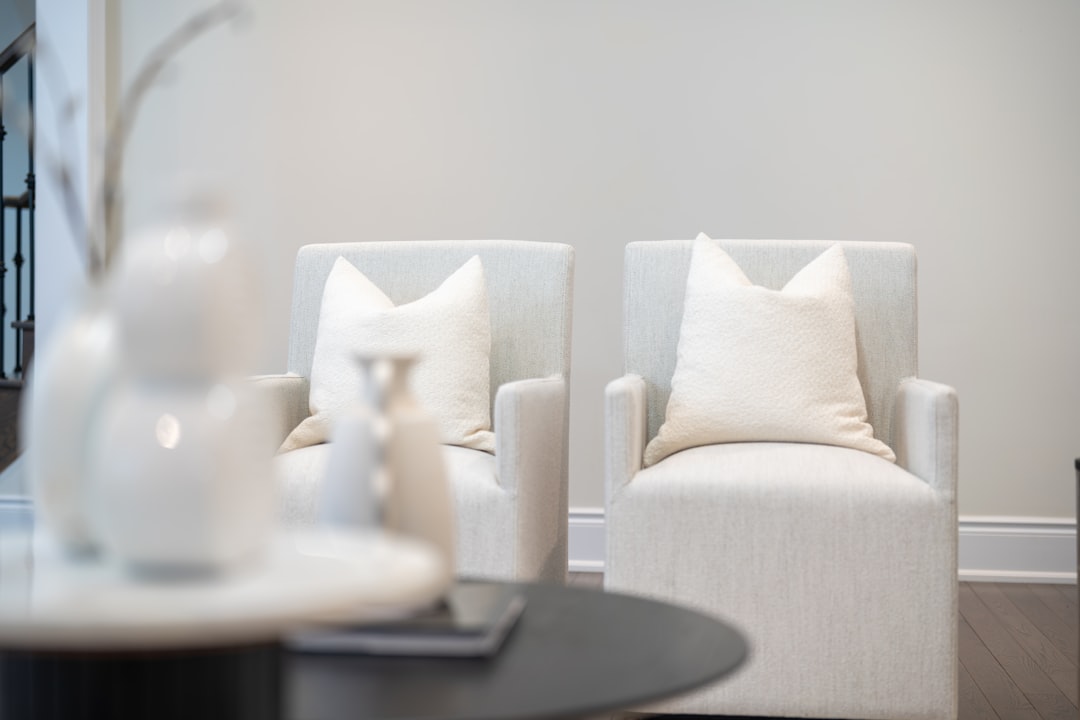
That moment when the delivery team calls from downstairs—lift too narrow, box too wide—is when most buyers realise they didn’t measure properly. Condo lifts here typically max out at 2m x 0.8m for flat-pack boxes; anything bulkier means stairwell negotiations with a surcharge. For accent chairs, that’s rarely an issue—most disassembled frames fit within 1.5m—but sculptural designs with curved backs or wide arms sometimes ship pre-assembled in oversized crates.
Ask about assembly upfront. Some velvet or bouclé chairs arrive ready-to-use, while others need 20 minutes with an Allen key—fine if you’ve got space to work, less ideal in a 4-room BTO where the dining table doubles as a workshop. Delivery teams usually charge extra for in-home assembly ($50–$120), though it’s worth it for pieces with intricate joinery or adjustable legs.
Watch for ground-floor unloading too. Older landed properties along Joo Chiat or Katong often have tight driveways; delivery vans might block the road while unloading. If you’re eyeing a heavy marble-base chair, check if they’ll bring a trolley—carrying 40kg up spiral staircases isn’t in most couriers’ job descriptions.
One pro tip: schedule deliveries for weekday mornings. Condo security tends to be stricter after 6pm, and you’ll want daylight to inspect that emerald green velvet for transit scuffs before signing off.
The width of a bold-colored accent chair should complement the room’s scale without overwhelming it. A width of 20 to 30 inches strikes a balance between functionality and visual impact. This ensures the chair stands out without dominating the space.
The seat height of an accent chair should align with the surrounding furniture for comfort. Typically, a height between 16 to 20 inches works well for most setups. This ensures ease of sitting and standing while maintaining proportion.
Depth is crucial for ensuring proper support and relaxation in accent chairs. A depth of 18 to 22 inches allows for comfortable seating without feeling cramped. This range accommodates various body types while maintaining a balanced look.
Velvet accent chairs are a favourite in Singapore homes, but they come with a catch — spills show. Spot cleaning with a damp cloth works for minor stains; for deeper cleaning, a fabric-specific cleaner and soft brush typically do the trick. Avoid soaking the material — velvet’s plush texture can flatten permanently if mishandled.
For HDB corridors, armless designs often make more sense. They save space while still adding a pop of colour or texture. Look for slim profiles and lightweight frames; you’ll need to move the chair occasionally, especially in narrow layouts.
Pairing an accent chair with a sectional sofa? Stick to complementary tones rather than exact matches. A bold teal chair alongside a neutral grey sofa creates contrast without clashing. Keep proportions in mind — oversized chairs can overwhelm a compact sectional.
In shoebox condos, styling is key. A sculptural accent chair can anchor a small living room, especially when placed diagonally in a corner. Opt for lighter shades or reflective finishes like metallic legs to visually expand the space. And don’t forget — a chair that’s too large can make a 12 sqm room feel cramped.
One last tip: velvet chairs in humid climates need airflow. Keep them away from walls and windows to prevent moisture buildup, especially during Singapore’s monsoon season.
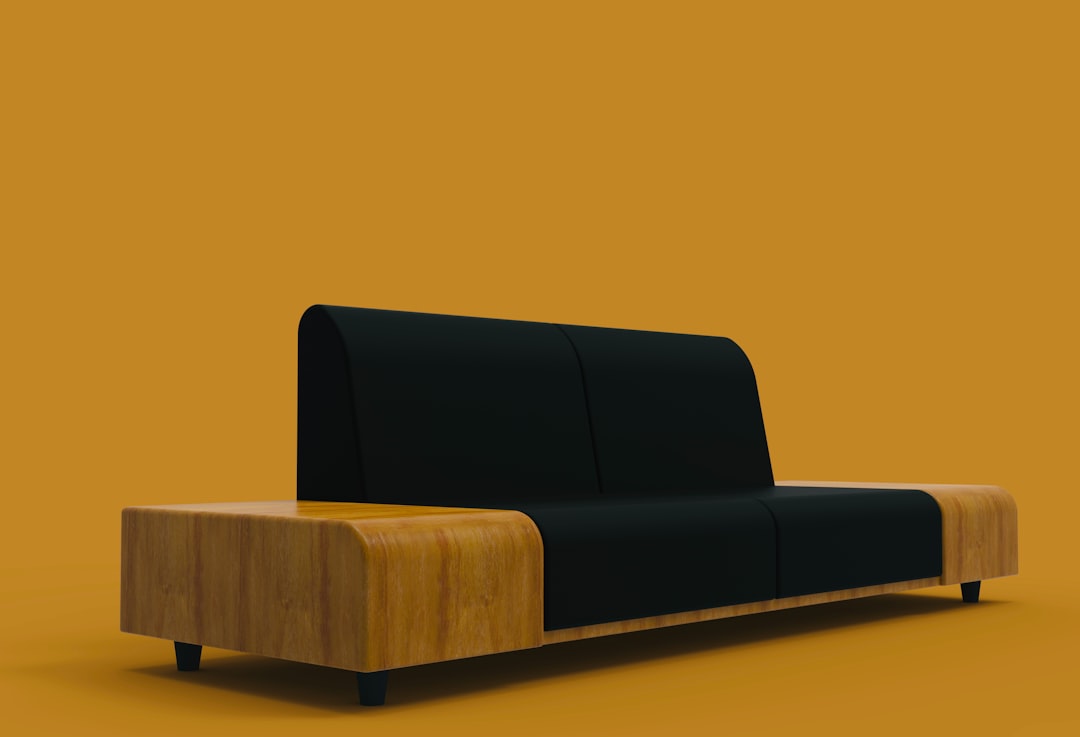
In a 12 sqm HDB master bedroom, the accent chair’s placement often hinges on wardrobe door clearance — a detail many overlook until it’s too late. Measure the swing radius of those doors; even a sleek, curved-back chair can disrupt daily routines if it’s too close. For condos with feature walls, the chair’s design should echo the room’s focal point — a bold velvet hue that complements the wall’s texture, or a sculptural silhouette that mirrors its lines.
In many homes, the chair ends up tucked into a corner, so consider its profile from multiple angles. A low-profile option works well in tighter spaces, while a taller backrest can anchor the room visually without overwhelming it. Avoid bulky arms if you’re tight on space; they’ll make the room feel cramped, even if the chair itself fits.
Colour coordination is key — but don’t feel pressured to match perfectly. A deep emerald chair can contrast beautifully with a muted grey feature wall, adding depth without clashing. For those unsure about committing to bold hues, neutrals like taupe or charcoal can still make a statement with the right material, like bouclé or textured linen.
Finally, test the chair’s placement before finalising the purchase. Walk around it, open the wardrobe, and ensure it doesn’t block access to other essentials. A chair that looks stunning in the showroom might feel intrusive in your bedroom — practicality matters as much as aesthetics.