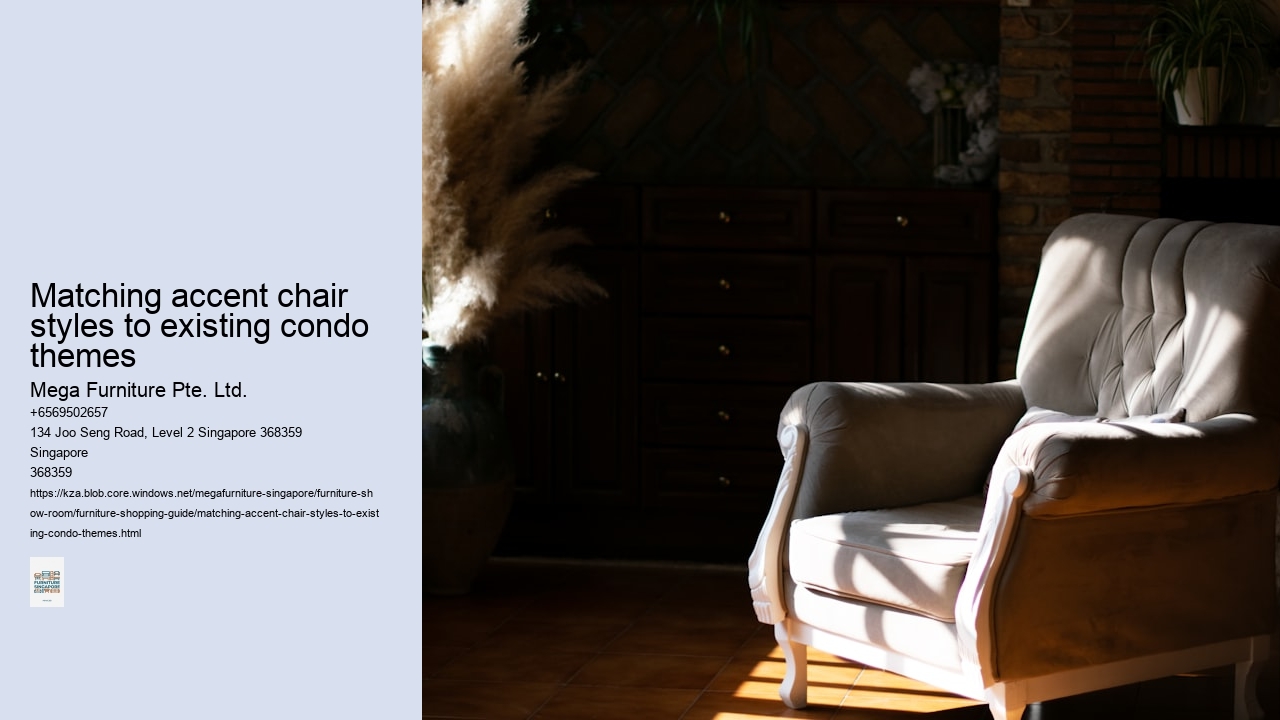
In a 14 sqm living room at a new launch condo in Bedok, an oversized armchair can feel like a guest who won’t leave — it dominates the space, leaving little room for movement or other furniture. Accent chairs in Singapore’s compact condo layouts work best when scaled to the room’s proportions; aim for designs around 80cm wide and 90cm deep, avoiding anything that overwhelms the 2.7m ceiling heights common in OCR developments. A sculptural chair with slender legs or a low-profile silhouette can create visual interest without crowding the area. Breathable fabrics are a must, especially in units where cross-ventilation is limited. Performance velvets, linen blends, or bouclé upholstery offer durability and comfort, resisting the humidity that accumulates in unventilated spaces. Darker tones or patterned fabrics can also disguise wear in high-traffic areas, making them practical choices for families or pet owners. Placement matters as much as design. An Accent Chair earns its place in the living room not through utility but through punctuation — a single piece in a contrasting fabric, bold colour, or distinctive silhouette that breaks up the visual neutrality of a sofa-and-coffee-table setup. Megafurniture's modern contemporary armchair range covers wingback, club, swivel, and statement-design variants in fabric, velvet, leather, and faux leather upholsteries. Pricing for the modern contemporary line typically starts around $349.. Position the chair diagonally in a corner to maximise floor space, or pair it with a side table to create a cosy reading nook. In many homes, the accent chair becomes the focal point — a bold colour or unique shape draws the eye, balancing the room’s overall aesthetic without requiring a full furniture overhaul. For those refreshing their living room,
Megafurniture’s collectionoffers options that blend style with practicality, ensuring the piece complements rather than competes with the existing decor.
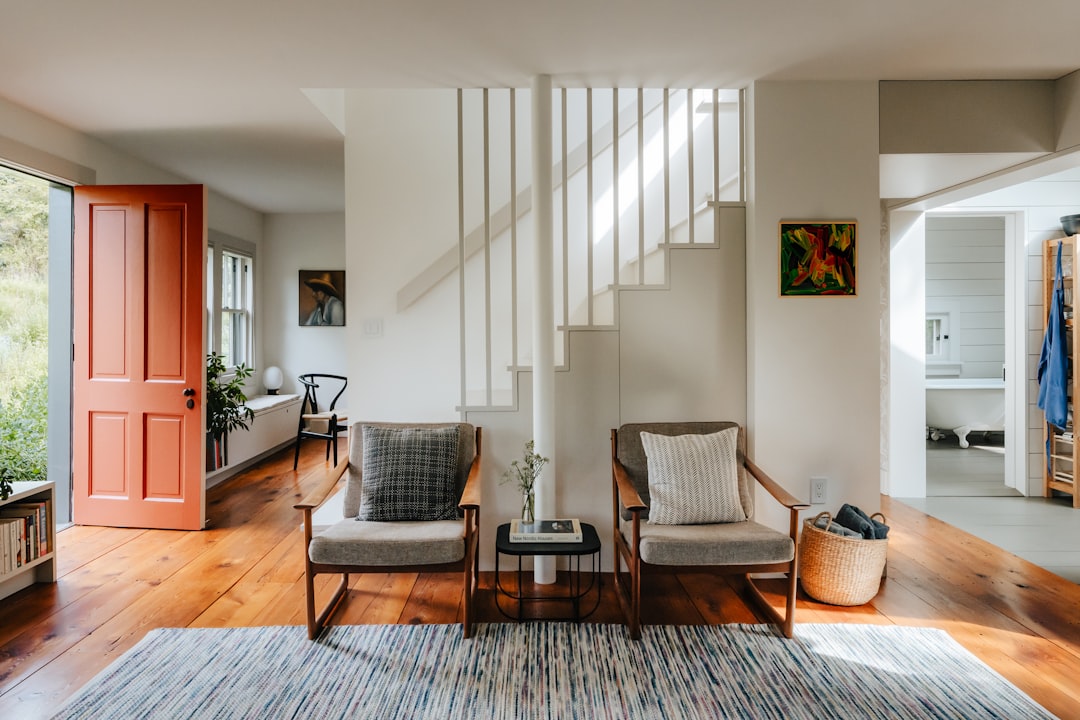
Singapore’s humidity doesn’t just frizz hair—it warps MDF within months if placed near an unsealed window. Performance velvet (Crypton or Sunbrella-treated) resists mould where linen succumbs to dampness, while teak frames withstand balcony placements better than cheaper woods prone to swelling. For landed properties near coastal areas like Pasir Ris or Sentosa Cove, Megafurniture’s anti-corrosion nailhead trim options add durability without sacrificing aesthetics—their treated brass versions outperform standard finishes that pit within a year of salt exposure. The real test comes during monsoon season, when even indoor humidity hovers near 90%. Condensation pools on cold surfaces—glass tabletops, metal legs—leaving rings on teak unless sealed with marine-grade varnish. Upholstery in high-traffic zones (armrests, seat fronts) needs hydrophobic treatments; Megafurniture’s performance velvet range includes spill-resistant coatings that bead water like car wax. Landscapers swear by teak for poolside furniture, but most condo balconies demand compromises. A powder-coated aluminium frame with slatted teak seat inserts resists rust while offering the warm look buyers want. For accent chairs near AC vents, bouclé hides water stains better than flat-weave cottons—just avoid light shades if the unit faces East Coast Park’s sea spray. Coastal humidity creeps into everything. Drawer glues fail first, then untreated plywood backs of cabinets blister. The solution? Specify dovetail joints over stapled ones, and insist on stainless-steel drawer runners—Megafurniture’s
armchair collectionuses marine-grade hardware even for indoor pieces. Salt air finds weaknesses you wouldn’t notice in Bukit Timah.
Crypton fabric is a top pick for pet owners, especially those with dogs in landed homes. Its stain-resistant properties make it ideal for handling muddy paws or accidental spills. Unlike delicate materials like bouclé, Crypton can withstand frequent cleaning without losing its texture or colour. For HDB dwellers with cats, avoiding loose weaves is crucial—they’re magnets for claws and fur. Performance fabrics like Crypton strike a balance between durability and aesthetic appeal, ensuring your accent chair stays both stylish and functional.
Cats love to scratch, and accent chairs often become their targets. Opt for materials with tighter weaves or smooth finishes that discourage clawing. Leather or performance velvet are excellent choices—they’re less likely to snag and easier to clean. For added peace of mind, test scratch depth thresholds on showroom samples before committing. In many homes, a well-chosen chair can survive years of feline attention without looking worse for wear.
Neutral tones like greys or beiges are practical for pet owners, as they hide fur and stains better than bold colours. However, darker shades like charcoal or navy can also work well, especially in high-traffic areas. Avoid light pastels or whites unless you’re prepared for frequent cleaning. Colour choice isn’t just about aesthetics—it’s about practicality in a pet-friendly home.
Durability is key when selecting an accent chair for a household with pets. Materials like rubberwood frames or metal legs offer sturdiness, while performance fabrics ensure longevity. Avoid delicate materials like silk or loosely woven textiles, which can quickly degrade under pet wear and tear. Investing in high-quality materials upfront can save you from frequent replacements down the line.
Where you place your accent chair can impact its longevity in a pet-filled home. Position it away from high-traffic areas where pets are likely to jump or rub against it. In smaller spaces like 4-room BTO living rooms, tuck the chair into a corner to minimise exposure to pets. Strategic placement not only protects your furniture but also maintains the room’s overall flow and design.
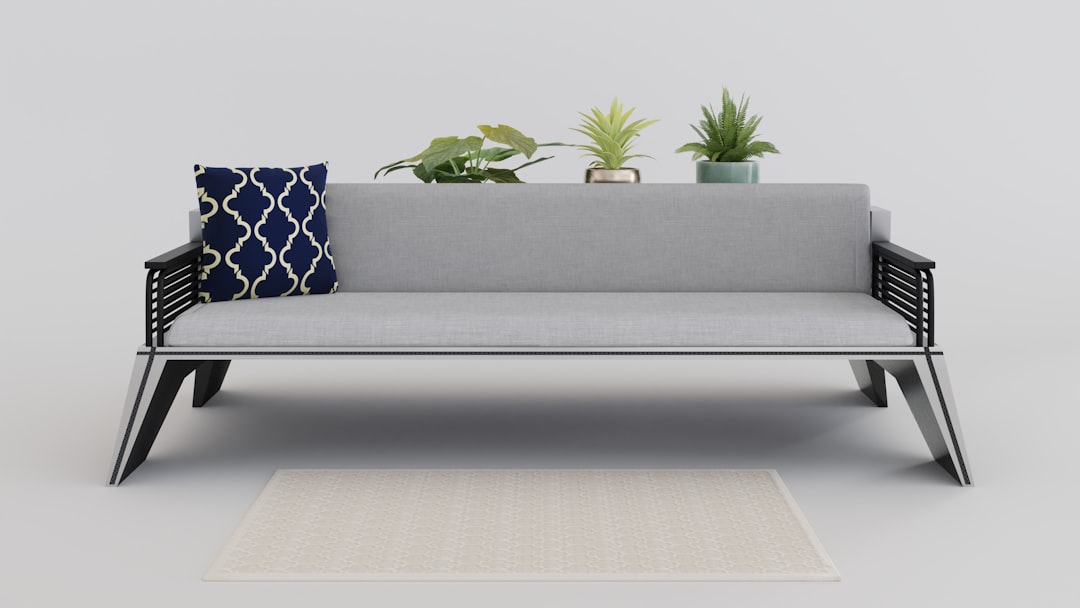
The narrow doorways of pre-2000 HDB flats often catch buyers off guard — a 78cm clearance might seem manageable until you’re trying to manoeuvre a curved-back accent chair through it. Measure twice, buy once; otherwise, you’ll be stuck with a statement piece that never makes it past the corridor.
Acrylic chairs might dominate Instagram feeds, but they’re a questionable choice for family-friendly condos. Fingerprints and scratches show up instantly, and the sleek design often sacrifices comfort for aesthetics. It’s a trade-off that works better in showrooms than in homes where kids and pets roam freely.
Curved-back designs can elevate a living room’s aesthetic, but they’re not always practical. In a 12 sqm HDB living room, a sculptural chair might block pathways or crowd existing furniture. Before committing, consider how the piece will function daily, not just how it looks in a Pinterest-perfect setup.
Storage beds beat divan beds in most HDB flats, simply because nobody has anywhere else to put their luggage. The same logic applies to accent chairs — if it doesn’t serve a purpose beyond looking good, it might end up collecting dust in a corner.
Trends come and go, but a well-chosen accent chair can anchor a room for years. Opt for performance velvet or bouclé fabrics that withstand wear and tear, especially in high-traffic areas. A bold colour or distinctive shape can still make a statement without compromising on practicality.
Marble floors in condo lobbies reveal what online product shots never show — whether that sculptural accent chair will wobble when you shift position to reach for coffee. Megafurniture’s Joo Seng showroom replicates the challenge with a test zone where buyers can rock back in curved-back armchairs on polished stone; the ones that stay planted typically have reinforced leg joints or weighted bases under their velvet upholstery.
Lighting matters more than most realise when matching fabrics to existing schemes. Eighteen swatches — from mustard bouclé to petrol-blue performance velvet — get examined under both LED track lights (matching many condo ceiling setups) and the showroom’s north-facing windows. That teal linen? It reads grey-green under cool lighting but pops jewel-toned by afternoon sun, a difference that’s cost more than one homeowner a return shipping fee.
The BTO-scale mockups solve a common pain point: visualising how a 75cm-deep scalloped chair actually fits beside a 3-seater sofa in a 4-room flat’s living area. Tape marks on the floor outline typical walkways, proving whether you’ll stub toes on tapered walnut legs.
Fabric samples come with a disclaimer — cats shred bouclé in months, while Crypton-treated cotton survives toddler spills — but seeing them draped over actual chair frames beats guessing from 10cm swatches. One couple spent 40 minutes debating whether their condo’s brass light fixtures demanded cognac leather or emerald velvet; the showroom’s full-room lighting let them try both against their phone photos of the space.
Staff steer buyers toward armless designs for tight spaces (that curved back needs 15cm clearance from walls) and point out which bold shapes work as standalone statements versus needing complementary side tables. Their most borrowed tape measure gets used on chair heights — crucial when pairing with existing console tables.
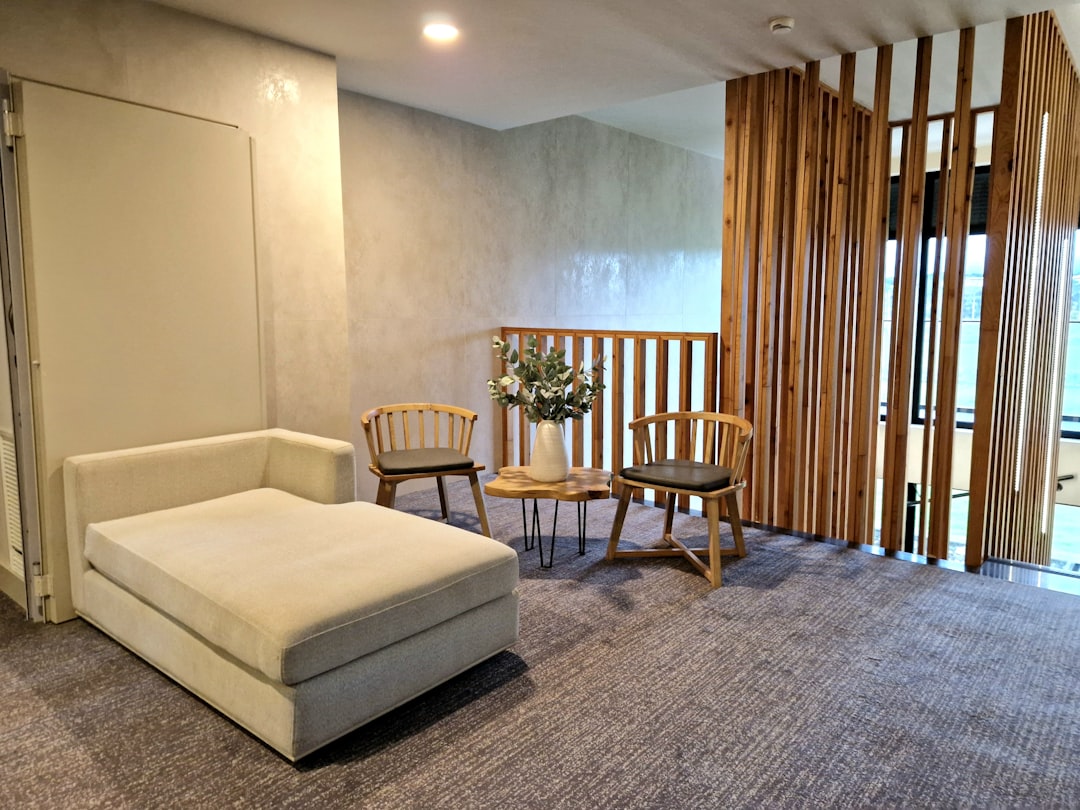
A fifth-floor walkup in Tiong Bahru might charm buyers with its Art Deco details, but it’ll test delivery crews with narrow staircases and tight landings. Pre-1990 walkups often come with staircase surcharges — typically $50 to $150 per floor — so confirm fees before committing. Inspect packaging for lift-landing scratches; even if the building has a lift, last-mile delivery often involves navigating tight corners and narrow corridors.
Complex designs like swivel-base chairs or modular sectionals can be a headache in walkups. On-site assembly helps — crews can disassemble pieces, carry them up in manageable parts, then reassemble in the unit. It’s worth noting that bouclé or velvet upholstery, while trendy, shows scuffs more easily; opt for removable covers or performance fabrics if the journey involves multiple tight turns.
In older estates like Joo Chiat or Katong, where walkups are common, delivery crews often face low ceilings and uneven steps. Measure doorways and stairwells beforehand — a standard accent chair might fit, but oversized designs like sculptural wingbacks or curved frames could get stuck. If you’re eyeing a statement piece, consider lighter materials like rattan or molded plywood; they’re easier to manoeuvre than solid wood or metal frames.
Delivery windows can stretch longer in walkups, especially during peak seasons. Crews might need to schedule around other deliveries or building restrictions, so factor in extra lead time. While it’s tempting to rush the process, a scratched frame or torn fabric isn’t worth the hassle — patience pays off when navigating pre-war stairwells.
Choose light-toned, wooden accent chairs with soft, neutral fabrics for a Scandinavian condo theme. Focus on simplicity and functionality, with subtle curves or tapered legs. Add cozy textures like wool or linen for a warm, inviting touch.
Pick accent chairs in light, airy fabrics with nautical-inspired colors like blues or whites for a coastal condo theme. Look for designs with woven or rattan elements to evoke a beachy feel. Keep the overall look breezy and relaxed for a seaside ambiance.
Opt for sleek, geometric accent chairs with clean lines and neutral tones to complement a modern minimalist condo theme. Choose materials like leather or metal for a polished look. Keep the design simple yet impactful to maintain the uncluttered aesthetic.
West-facing windows in Singapore’s afternoon sun turn sheepskin chairs from cream to custard in about 18 months — unless you’re religious about UV-filtering curtains. The real issue isn’t just fading; heat accelerates oxidation in natural fibres, so even high-grade sheepskin develops uneven yellow patches where sunlight hits armrests.
Armless designs solve tight BTO layouts better than most buyers realise. For 1.8m between feature walls, look for compact barrel chairs (85–90cm width) or curved-back swivel chairs that tuck flush when not in use. Renonation threads show 60cm clearance per side is the sweet spot — enough to walk past without bruising hips on sharp corners.
Search data from 99.co confirms what showroom consultants won’t admit: buyers care more about fitting through lift doors than designer pedigrees. A 75cm-wide chair with removable legs clears most condo lifts, while fixed-base designs over 65cm tall risk hallway scratches.
Velvet holds up better than bouclé in humid conditions, but that’s not why it dominates east-side condos. The real appeal is how midnight blue or emerald green velvet chairs pop against HDB’s default beige feature walls — a trick interior designers use to distract from awkward pillar placements.
Megafurniture’s collection includes three armless models under 90cm wide, though the sheepskin options belong in north-facing rooms or air-conditioned dens. Their performance velvet range survives balcony-adjacent placements, but only if you treat it with fabric protector every six months — a chore most homeowners forget after the first year.
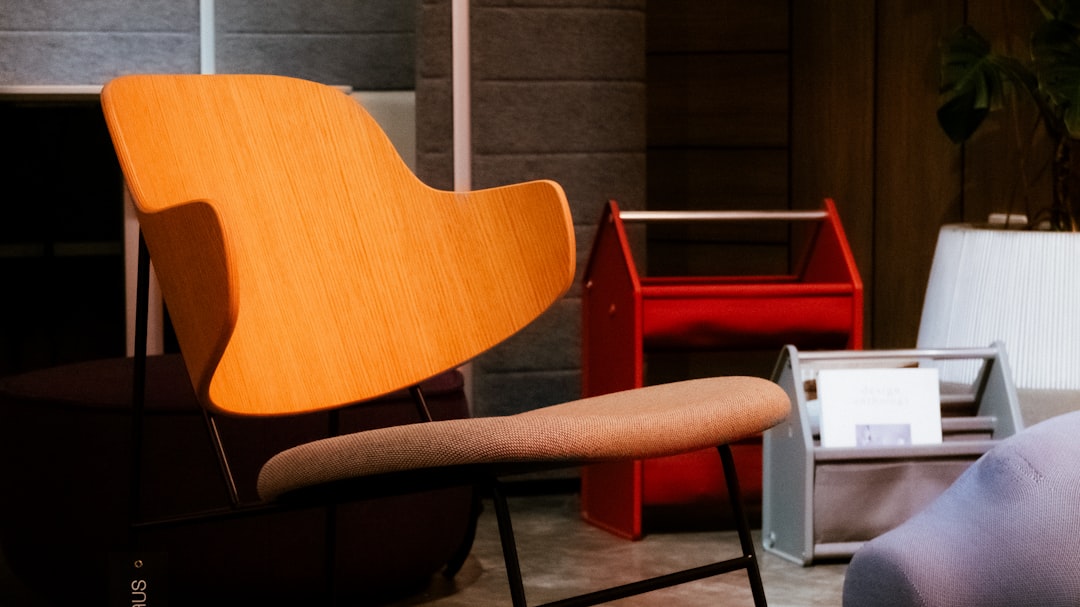
That 60cm walkway clearance sounds generous on paper — until you’re sidestepping a coffee table with a tray of kopi in hand. Resale condo layouts often pinch circulation paths near bay windows or balcony doors; measure twice where the accent chair’s sculptural arms or curved back might intrude. Bring a throw pillow from your existing sofa to the showroom; afternoon light through the showroom windows reveals whether that “moss green” velvet reads more khaki or olive against your cushions.
Humidity warping hits hardest in east-facing living rooms where morning sun meets high moisture — check warranty fine print for coverage of joint separation or veneer bubbling in the first two years. Performance fabrics like Crypton or Sunbrella hold up better in Singapore’s climate, but structured shapes (scalloped backs, tapered legs) show warping faster than blocky designs.
For landed properties with open layouts, consider sightlines from the main entrance: a bouclé chair placed opposite the door becomes an instant focal point, while darker hues recede visually in narrow spaces. One Joo Seng homeowner learned the hard way — their emerald velvet chair clashed with existing teak flooring until they added a neutral sheepskin throw to break up the tones.
Showrooms rarely account for real-life clutter. Tape out the chair’s footprint on your floor with newspaper, then live with it for three days — that’s how long it typically takes to notice if the armrest blocks a frequently used power socket or forces the TV console off-centre.
Megafurniture’s Joo Seng showroom has sample swatches for on-the-spot colour matching, but natural fibres like linen shift tone under artificial lighting. Request to borrow a large swatch overnight; north-facing rooms render cool greys bluer than expected, while west-facing spaces amplify warm undertones in beiges.